
Anúncios
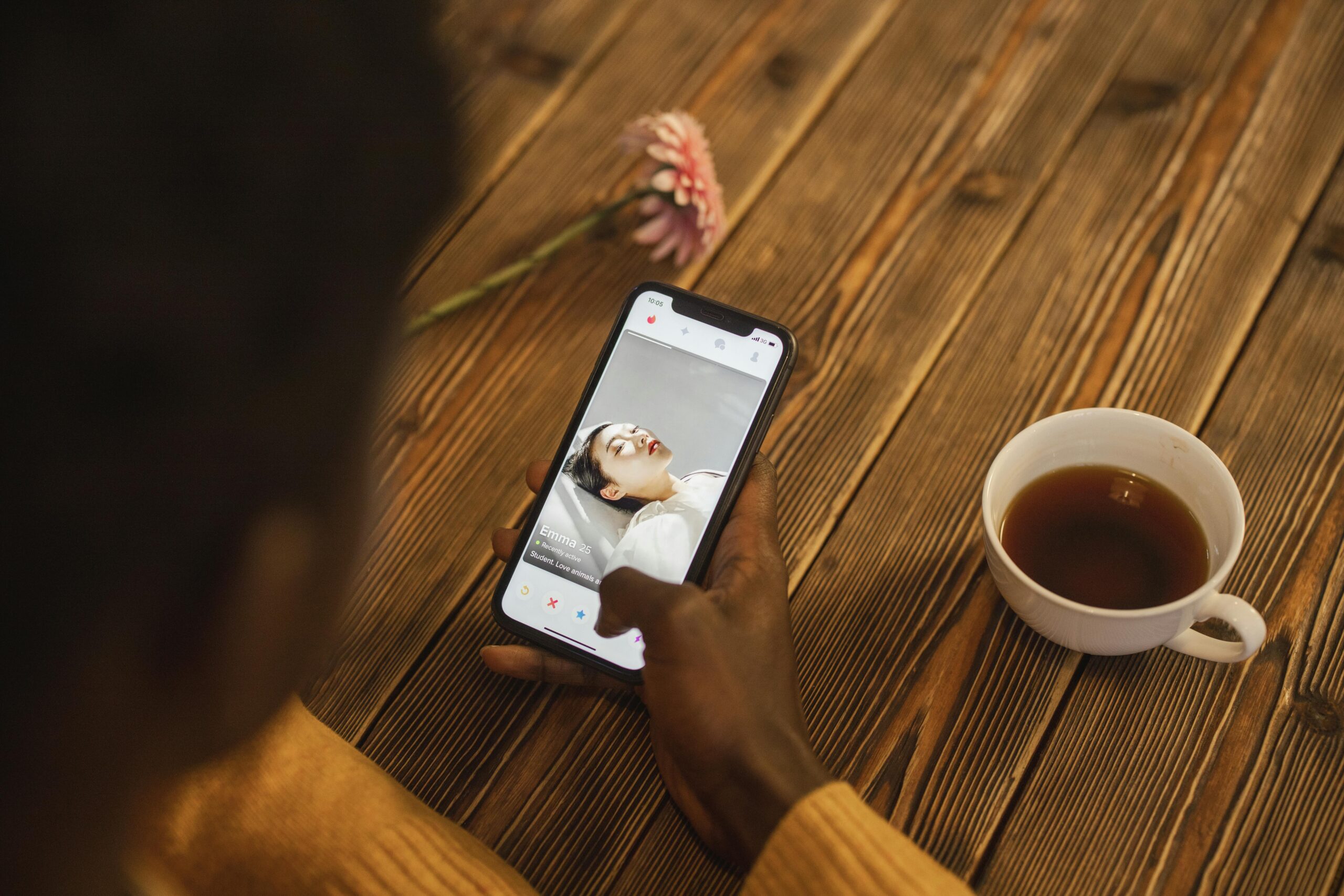
Dating apps have fundamentally transformed how we meet people, turning romance into a game of quick judgments and endless options that reshape our expectations of love.
The Psychology Behind the Swipe: Why Our Brains Get Hooked 🧠
When you open a dating app, you’re not just browsing profiles—you’re triggering a sophisticated reward system in your brain. The swipe mechanism activates the same dopamine pathways that make slot machines so addictive. Each swipe represents a possibility, and every match delivers a small neurochemical reward that keeps you coming back for more.
Anúncios
This gamification of romance creates what psychologists call “intermittent reinforcement,” where unpredictable rewards generate stronger behavioral patterns than consistent ones. You never know when the next match will appear, so your brain stays engaged, constantly seeking that next dopamine hit. Over time, this conditions us to view potential partners as disposable options rather than unique individuals worthy of deeper consideration.
The consequences extend beyond mere habit formation. Research suggests that prolonged exposure to swipe-based dating platforms can actually rewire how we process romantic potential. Instead of developing attraction through conversation, shared experiences, or gradual familiarity, we’re training ourselves to make snap judgments based on curated photos and brief bios. This fundamentally alters what we consider important in a potential partner.
Anúncios
The Paradox of Choice: When More Options Mean Fewer Connections
Dating apps present users with an unprecedented abundance of potential partners. In a single evening, you might view more profiles than your grandparents met potential partners in their entire youth. This sounds empowering, but psychological research reveals a darker truth: excessive choice often leads to decision paralysis and chronic dissatisfaction.
Barry Schwartz’s famous “paradox of choice” applies perfectly to modern dating culture. When faced with seemingly unlimited options, we become more critical, more indecisive, and less satisfied with our eventual choices. There’s always a nagging feeling that someone better might be just one more swipe away. This mentality sabotages the development of genuine connections because we’re never fully present with the person in front of us.
The endless scroll creates what relationship experts call “the shopping mentality.” People become products to be evaluated against an ever-expanding catalog of alternatives. This commodification of human connection makes it difficult to invest the time and vulnerability required for authentic intimacy. Why work through a awkward first date when you have dozens of other matches waiting?
How Abundance Affects Commitment 💔
The availability of alternatives doesn’t just affect how we choose partners—it fundamentally changes how we behave within relationships. Studies show that people who perceive high availability of alternative partners report lower commitment levels and are more likely to end relationships over minor conflicts.
Dating apps keep this sense of abundance constantly visible. Even when you’re seeing someone, your phone contains a catalog of other possibilities. This creates a psychological safety net that paradoxically makes relationships feel less secure. Instead of working through challenges, the path of least resistance is to return to the app and start fresh with someone new.
The Illusion of Perfection: Curated Selves and Unrealistic Expectations ✨
Every profile on a dating app is a carefully constructed advertisement. Users select their most flattering photos, craft witty bios, and present idealized versions of themselves. This creates a marketplace of highlight reels where everyone appears more attractive, interesting, and accomplished than they actually are.
This curation serves both sides of the interaction. You’re presenting an enhanced version of yourself while simultaneously scrolling through others’ enhanced versions. The result is a systematic inflation of expectations on both ends. When you finally meet in person, reality rarely matches the polished digital presentation, leading to disappointment and the urge to return to swiping.
The photo-centric nature of most dating apps amplifies superficial judgments. Physical attraction matters in relationships, but apps make it the primary—often sole—criterion for initial selection. Qualities that predict long-term compatibility, like emotional intelligence, shared values, humor, or kindness, get reduced to brief text snippets that users often skip entirely.
The Filter Bubble Effect in Romance
Dating apps use algorithms to show you people they think you’ll like based on your previous behavior. While this sounds helpful, it creates echo chambers that limit who you encounter. If you consistently swipe right on a certain physical type or demographic, the algorithm learns this pattern and reinforces it, narrowing your options despite the apparent abundance.
This algorithmic curation can prevent serendipitous connections with people who might be perfect for you but don’t fit your established pattern. In traditional meeting contexts, you might develop attraction to someone you wouldn’t have initially considered. Apps eliminate these possibilities by pre-filtering potential partners through machine learning models that prioritize engagement over compatibility.
The Decline of Courtship: When Effort Becomes Optional 📱
Traditional courtship involved investment—time, effort, vulnerability, and gradual escalation of intimacy. Dating apps have compressed this timeline dramatically. Within minutes of matching, conversations often turn sexual, or people expect to meet immediately without any foundation of trust or familiarity.
This acceleration changes relationship dynamics fundamentally. When connections form too quickly based on superficial criteria, they lack the foundation that sustains partnerships through challenges. The absence of effort in the beginning sets expectations for low effort throughout the relationship.
Moreover, the low barrier to entry means low commitment to any single interaction. If a conversation becomes boring or slightly uncomfortable, users simply ghost and move to the next match. This normalized flakiness creates dating environments where people invest minimally because they’ve been conditioned to expect others to disappear without warning.
The Communication Skills We’re Losing
Dating apps don’t teach us how to approach someone respectfully, read social cues, handle rejection gracefully, or build attraction through personality. These skills atrophy when all initial contact happens through text behind a screen. Many users report increased social anxiety about in-person dating because they’ve lost practice with real-time romantic interaction.
The asynchronous nature of app-based communication also eliminates important relationship-building elements. There’s no need to think quickly, show genuine emotion in real-time, or navigate the beautiful awkwardness of early attraction. Everything becomes calculated, edited, and stripped of the spontaneity that creates chemistry.
Mental Health Impacts: The Emotional Toll of Constant Rejection 😔
Dating apps create unprecedented exposure to rejection. Every left swipe you give is a micro-rejection of someone’s curated self-presentation. Every left swipe you receive is a rejection of yours. At scale, this creates an emotional environment that can significantly impact mental health and self-esteem.
Research links heavy dating app use with increased anxiety, depression, and body image issues. The constant evaluation and comparison triggers insecurities and creates a mindset where your worth feels tied to match rates and response frequency. For many users, particularly those already struggling with self-esteem, this becomes psychologically damaging.
The unpredictability of success on these platforms exacerbates stress. You might have great conversations that lead nowhere, instant connections that ghost without explanation, or long stretches without matches followed by sudden abundance. This inconsistency keeps users in a state of emotional uncertainty that drains mental energy and creates cynicism about relationships generally.
Comparing Your Reality to Others’ Highlights
Just as social media creates harmful comparisons, dating apps make users hyper-aware of what others have to offer. You see profiles of people who seem more attractive, successful, adventurous, or interesting, triggering feelings of inadequacy. This comparison trap makes it harder to appreciate your own qualities and easier to devalue potential partners who don’t meet impossible standards.
Finding Authentic Connection in a Digital World 🌟
Despite these challenges, dating apps aren’t inherently evil—they’re tools that require mindful use. The key is recognizing how they affect your psychology and actively resisting their most harmful influences. This means developing strategies that prioritize genuine connection over the addictive swipe cycle.
Start by limiting your time on apps. Set specific windows for swiping rather than checking constantly throughout the day. This reduces the compulsive behavior patterns and prevents apps from dominating your mental space. Treat dating apps as one avenue for meeting people, not your entire romantic strategy.
When evaluating profiles, force yourself to read beyond photos. Look for personality indicators, shared interests, and conversation starters. Swipe more slowly and deliberately. This conscious approach counteracts the superficial judgment patterns that apps encourage and increases the likelihood of meaningful matches.
Quality Over Quantity: A Better Approach
Resist the temptation to maintain dozens of simultaneous conversations. Instead, match with fewer people and invest more attention in each interaction. Ask substantive questions, share vulnerable details about yourself, and look for emotional connection beyond surface-level banter. If someone doesn’t reciprocate this depth, move on quickly rather than wasting energy.
Suggest meeting in person relatively soon—after enough conversation to establish basic safety and interest, but before building up unrealistic expectations through extended texting. Video calls can bridge this gap, offering more authentic interaction than text while maintaining safety and convenience.
Rebuilding Real-World Dating Skills 💪
While using apps mindfully, also invest in meeting people through traditional channels. Join activities aligned with your interests, attend social events, and practice approaching people in appropriate contexts. These experiences rebuild the social skills that apps don’t develop and create opportunities for organic attraction.
Real-world interactions offer context that apps eliminate. You see how someone treats service workers, interacts with friends, handles unexpected situations, and moves through the world. These observations provide crucial compatibility information that profile photos and witty bios cannot convey.
Additionally, offline meetings force both parties to present authentically rather than through curated digital personas. The person you meet is the actual person, not an idealized version designed to maximize swipe appeal. This authenticity, while sometimes less immediately impressive, provides a realistic foundation for potential relationships.
The Power of Patience and Presence
Perhaps most importantly, resist the hurry-up mentality that dating apps promote. Meaningful connections develop gradually through shared experiences and progressive vulnerability. Allow relationships to unfold at their natural pace rather than rushing toward commitment or physical intimacy simply because the app context makes it feel expected.
Practice being fully present with the person you’re dating instead of mentally comparing them to other options or fantasizing about who else might be available. This presence is the foundation of intimacy and cannot coexist with the distracted, always-shopping mindset that apps encourage.
Reclaiming Romance From the Algorithm 💕
Dating apps have changed the landscape of modern romance, but they don’t have to control your experience of love. By understanding how these platforms manipulate psychology, create unrealistic expectations, and commodify human connection, you can use them more strategically while protecting your mental health and capacity for genuine intimacy.
The swipe culture has trained us to treat people as disposable, to prioritize superficial qualities over character, and to expect instant chemistry without investment. Recognizing these patterns is the first step toward resisting them. You can choose deliberate evaluation over compulsive swiping, depth over breadth, and authentic connection over endless novelty.
True love has always required vulnerability, patience, effort, and the courage to invest in someone despite uncertainty. These timeless requirements haven’t changed, even if the medium has. Dating apps are simply tools—powerful ones that can either facilitate or obstruct your search for meaningful partnership depending on how consciously you use them.
The most successful app users treat these platforms as introductions, not relationships. They recognize that a match is just a starting point, that profiles are performances rather than reality, and that genuine compatibility reveals itself through time and shared experience, not through curated photos and clever opening lines.
By maintaining perspective, setting boundaries, developing real-world social skills, and prioritizing quality over quantity, you can navigate swipe culture without letting it distort your understanding of love. The person worth finding is worth the effort of looking beyond the superficial, waiting for genuine connection, and building something real in a digital world that often settles for simulation.
Your perception of love doesn’t have to be dictated by algorithms designed to maximize engagement rather than foster lasting relationships. Reclaim your romantic narrative by using technology as a tool rather than letting it become the totality of your dating experience. The meaningful connection you seek exists—but finding it requires seeing past the illusions that swipe culture creates.
