
Anúncios
Understanding attachment styles can transform how you navigate modern dating apps, helping you build deeper connections and avoid common pitfalls in your romantic journey. 💕
The digital dating landscape has revolutionized how we meet potential partners, yet many users find themselves caught in frustrating cycles of superficial matches and unfulfilling connections. What if the key to unlocking meaningful relationships through dating apps lies not in perfecting your profile or sending the right opening line, but in understanding your own attachment style?
Anúncios
Attachment theory, originally developed by psychologist John Bowlby and later expanded by Mary Ainsworth, explains how our early relationships with caregivers shape our romantic behaviors throughout life. In the context of app-based dating, these deeply ingrained patterns influence everything from which profiles we swipe right on to how we communicate with matches and navigate the transition from digital to real-world connection.
🧠 The Four Attachment Styles in Modern Dating
Before diving into how attachment styles manifest in the digital dating world, let’s explore what each style means and how it typically presents in romantic relationships.
Anúncios
Secure Attachment: The Confident Connector
Securely attached individuals, comprising roughly 50-60% of the population, feel comfortable with intimacy and independence. They trust their partners, communicate openly about their needs, and don’t fear abandonment or engulfment. On dating apps, secure daters approach matches with optimism but without desperation, viewing dating as an opportunity rather than a source of anxiety.
These users typically maintain healthy boundaries, respond to messages at a reasonable pace, and feel comfortable progressing from app-based chat to phone calls and in-person meetings. They don’t overanalyze delayed responses or read rejection as a personal failing.
Anxious-Preoccupied Attachment: The Connection Seeker
Those with anxious attachment styles crave intimacy but worry constantly about their partner’s commitment. Representing about 20% of adults, anxiously attached daters often fear rejection and require frequent reassurance. In the dating app environment, this manifests as checking the app compulsively, overthinking message timing, and moving too quickly emotionally.
Anxious daters might send multiple messages when someone doesn’t respond immediately, interpret profile updates as personal signals, or become intensely invested before meeting in person. They’re prone to “chemistry addiction,” mistaking anxiety for attraction and pursuing people who seem ambivalent or unavailable.
Dismissive-Avoidant Attachment: The Independent Explorer
Dismissive-avoidant individuals, making up approximately 25% of adults, prioritize independence and often feel uncomfortable with emotional intimacy. They value self-sufficiency and may unconsciously push partners away when relationships become too close. On dating platforms, avoidant users often maintain multiple conversations without deepening any single connection.
These daters might ghost matches when things get serious, focus excessively on potential partners’ flaws, or keep conversations superficial. They may enjoy the validation of matches and initial attention but struggle with follow-through. Dating apps can actually enable avoidant patterns by providing an endless supply of new matches as an escape route from developing relationships.
Fearful-Avoidant Attachment: The Conflicted Romantic
The rarest style, fearful-avoidant attachment combines the worst of anxious and avoidant patterns. These individuals desperately want connection but fear being hurt, creating an approach-avoidance dynamic. In app-based dating, this might look like enthusiastic initial engagement followed by sudden withdrawal, or alternating between intense interest and cold distance.
Fearful-avoidant daters often experience dating apps as particularly triggering, as the combination of opportunity and uncertainty amplifies their internal conflicts about intimacy and safety.
📱 How Attachment Styles Show Up in Your Dating App Behavior
Recognizing your attachment patterns in digital dating contexts is the first step toward changing unhelpful behaviors and building healthier connections.
Swiping Patterns and Profile Preferences
Your attachment style influences who catches your attention on dating platforms. Anxiously attached users often swipe right more frequently, casting a wide net and feeling attracted to profiles that seem confident or slightly aloof. Paradoxically, they’re drawn to avoidant partners who trigger their attachment system.
Avoidant individuals might be extremely selective, finding reasons to reject most profiles, or conversely, swipe carelessly without real intention to connect. They often feel overwhelmed by too many matches and may let conversations die rather than invest emotionally.
Secure daters typically approach swiping with moderation, looking for genuine compatibility markers rather than being driven by anxiety or defensive detachment. They’re comfortable with both accepting and declining matches without emotional turmoil.
Messaging Dynamics and Communication Patterns
The way you communicate through dating apps reveals significant attachment information. Anxiously attached individuals often craft long, thoughtful messages, respond immediately, and feel distressed by delayed replies. They might double-text, over-explain themselves, or ask for excessive reassurance about whether someone is still interested.
Avoidant communicators tend toward brevity, take longer to respond, and keep conversations light. They might answer questions without asking reciprocal ones, subtly maintaining emotional distance. When conversations deepen toward vulnerability or commitment, they may become less available.
Secure communicators strike a balance—they respond with reasonable timing, match their conversation partner’s investment level, and comfortably discuss both lighthearted and meaningful topics. They can express interest without desperation and create space without disappearing.
The Transition from Digital to Physical Connection
Moving from app-based chat to in-person meetings highlights attachment differences dramatically. Anxiously attached daters often push for quick meetings, hoping face-to-face interaction will solidify the connection and ease their uncertainty. However, they might also build up expectations so high that real-world encounters disappoint.
Avoidant daters frequently delay meeting, finding reasons to postpone or suggesting overly casual first dates that limit emotional exposure. They might also schedule multiple first dates in a short period, keeping all options superficial rather than investing in any single connection.
Those with secure attachment suggest meeting after establishing basic compatibility through messaging, feel comfortable with straightforward date planning, and approach first meetings with realistic optimism rather than anxiety or defensive detachment.
💔 The Attachment Style Dance: Why Certain Patterns Attract
Dating apps don’t just reflect our attachment styles—they can amplify problematic patterns and create feedback loops that reinforce unhealthy dynamics.
The Anxious-Avoidant Trap
One of the most common and painful dynamics in app-based dating is the anxious-avoidant pairing. Anxiously attached individuals often feel intensely attracted to avoidant partners, mistaking the activation of their attachment system for chemistry. The avoidant partner’s mixed signals—initial interest followed by withdrawal—triggers the anxious person’s core fears, intensifying their pursuit.
Meanwhile, avoidant individuals often feel comfortable with anxious partners initially because the anxious person’s clear interest doesn’t threaten their independence. However, as the anxious partner’s need for closeness increases, the avoidant person feels suffocated and pulls away, which paradoxically makes the anxious person chase harder.
Dating apps exacerbate this dynamic by making it easy for avoidant partners to maintain distance through sporadic texting while keeping the anxious partner hooked with occasional engagement. The digital medium allows avoidant individuals to control intimacy levels precisely, while anxious partners can monitor their match’s activity obsessively.
Secure Attachment as the Dating App Advantage
Research consistently shows that securely attached individuals have more success with online dating, not because they’re inherently more attractive, but because they approach the process with healthier mindset and behaviors. They view rejection as normal and not personal, maintain perspective about the limitations of app-based connections, and don’t become overly invested before establishing genuine compatibility.
Secure daters also tend to attract other secure individuals, creating a positive cycle. Their balanced communication style, comfort with reasonable vulnerability, and lack of game-playing signal emotional maturity that appeals to other healthy partners.
🔓 Transforming Your Attachment Style for Dating Success
The encouraging news is that attachment styles aren’t fixed. With awareness and intentional practice, you can develop “earned security”—learning secure attachment patterns even if they weren’t modeled in your early relationships.
Strategies for Anxiously Attached Daters
If you recognize anxious patterns in your dating app behavior, focus on self-soothing and maintaining perspective. Before checking the app compulsively, pause and ask yourself what you’re really seeking—validation, distraction from anxiety, or genuine connection?
Practice delayed gratification by waiting before responding to messages, not to play games, but to build tolerance for uncertainty. Remind yourself that someone’s texting speed doesn’t determine their interest level or your worth. Develop a full life outside dating apps so that matches become a complement rather than your primary source of emotional regulation.
Consider working with a therapist to explore the underlying fears driving your anxious behaviors. Challenge the belief that you need to convince someone to like you—the right match will appreciate you without constant reassurance-seeking.
Strategies for Avoidant Daters
If avoidant patterns resonate with you, the work involves gradually increasing your comfort with vulnerability and emotional intimacy. Notice when you feel the urge to withdraw or find flaws in promising matches—this is your attachment system protecting you from perceived danger.
Challenge yourself to stay engaged even when conversations move toward deeper topics. Practice reciprocal vulnerability by sharing something meaningful when a match opens up, rather than changing the subject or responding with surface-level information.
Be honest with yourself about whether you’re actually ready for a relationship or just enjoy the validation of matches. If commitment feels overwhelming, consider taking breaks from dating apps to work on your relationship with intimacy rather than cycling through endless superficial connections.
Building Secure Patterns Through Mindful Dating
Regardless of your starting attachment style, you can cultivate security through conscious dating practices. Set clear intentions before opening dating apps—are you mindlessly swiping for entertainment or genuinely seeking connection? Limit your time on apps to prevent obsessive checking or avoidant browsing.
Practice realistic optimism: approach new matches with openness but without projecting fantasy narratives onto strangers. Remember that profiles represent curated versions of real people, and genuine compatibility requires time and in-person interaction to assess.
Develop emotional awareness around your dating experiences. Journal about your reactions to matches, delayed responses, or rejections. Notice patterns without judgment—awareness itself begins to shift automatic behaviors.
🌟 Creating Genuine Connection Beyond the Algorithm
Understanding attachment styles empowers you to use dating apps more effectively while protecting your emotional wellbeing. The goal isn’t to manipulate your attachment system or play games, but to recognize how your patterns influence your choices and consciously choose healthier responses.
Choosing Apps That Support Your Attachment Goals
Different dating platforms cater to different relationship styles and may be more or less triggering depending on your attachment pattern. Swipe-based apps that emphasize physical appearance and quick judgments can overwhelm anxious individuals and enable avoidant ones to keep things perpetually superficial.
Platforms that require more detailed profiles and have built-in conversation prompts may help all attachment styles engage more meaningfully. Apps focused on specific compatibility factors or shared values can shift attention from anxiety-driven chemistry to genuine alignment.
Recognizing Green Flags and Red Flags
Your attachment style affects what you perceive as attractive or concerning. Anxiously attached individuals might mistake hot-and-cold behavior for exciting chemistry, while avoidant people might view someone’s healthy expression of interest as clingy.
True green flags include consistent communication, matching words with actions, comfort with reasonable vulnerability, and respect for boundaries. Red flags include mixed signals, inability to plan future dates, extreme intensity followed by withdrawal, and disrespect or boundary violations.
Learn to distinguish between someone triggering your attachment wounds (which feels intensely familiar) and someone offering secure connection (which might feel less dramatic but more sustainable). The most compatible long-term partners often feel surprisingly calm and easy, not anxious and obsessive.
🎯 Your Attachment-Aware Dating Action Plan
Moving forward with this attachment knowledge, create a personalized strategy for your dating app journey. First, honestly assess your current attachment tendencies without self-judgment. Recognition is the foundation for change.
Set boundaries around your app usage that counter your specific patterns. If you’re anxiously attached, limit checking frequency and maintain other sources of fulfillment. If you’re avoidant, challenge yourself to engage more deeply with fewer matches rather than maintaining superficial contact with many.
Pay attention to who you’re drawn to and why. Are you consistently attracted to unavailable people who activate your attachment anxiety? Do you lose interest in anyone who shows genuine availability? These patterns reveal important information about your relationship programming.
Consider therapy, particularly approaches like Emotionally Focused Therapy or attachment-based therapy, if you recognize persistent patterns that interfere with your relationship goals. Professional support can accelerate the development of earned secure attachment.
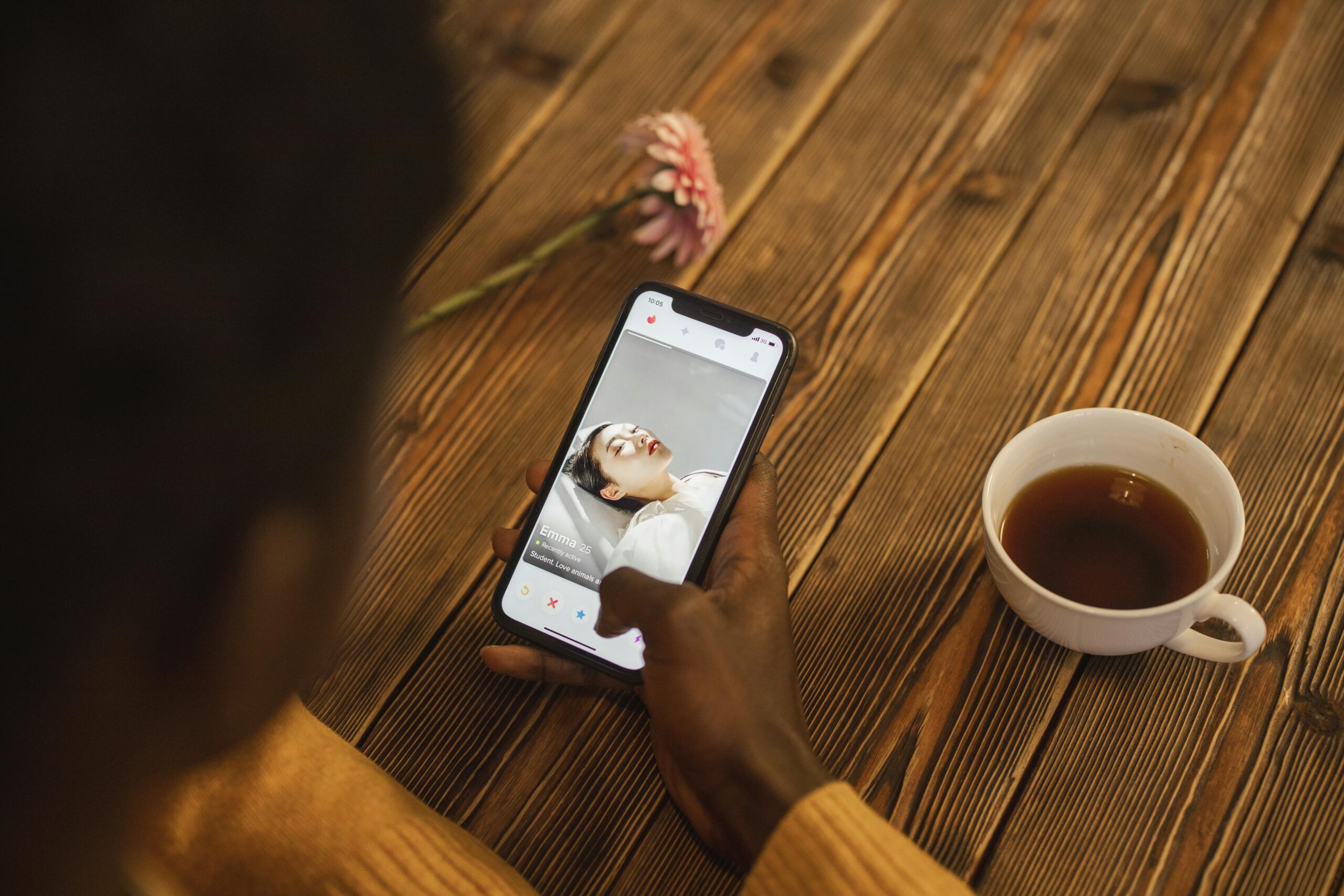
Remember that dating apps are simply tools—they amplify existing patterns but don’t create them. By understanding how attachment styles shape your digital dating experience, you gain the power to make conscious choices rather than acting from unconscious wounds. The journey toward secure connection starts with knowing yourself, and that self-knowledge transforms every swipe, message, and first date into an opportunity for growth and genuine connection.
Your attachment style influences your dating journey, but it doesn’t have to determine your destination. With awareness, intention, and practice, you can break unhelpful patterns and build the secure, loving relationship you deserve—whether you meet your person through an app, through friends, or anywhere else life leads you. 💗
