
Anúncios
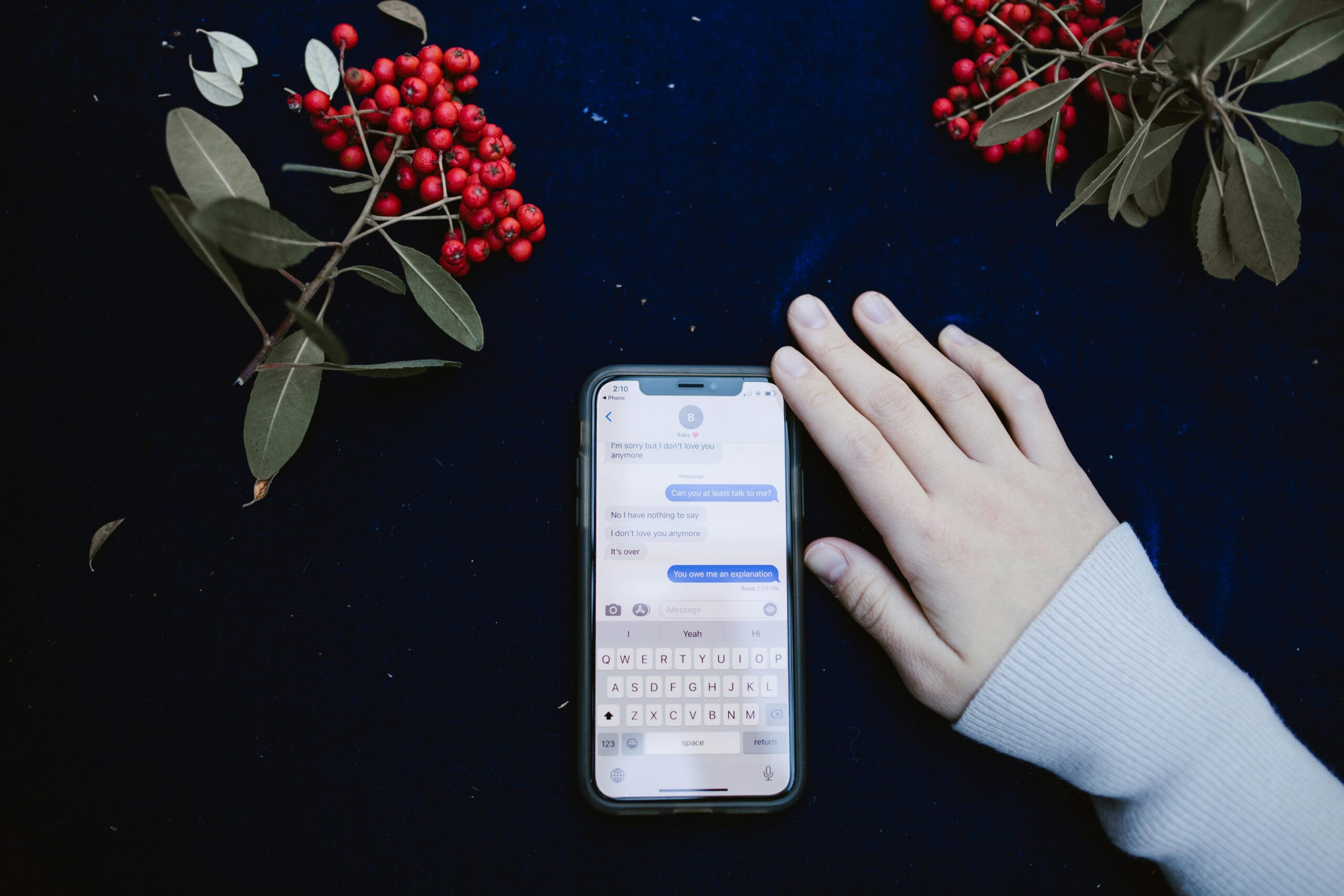
Text messaging has revolutionized how we communicate, but it’s also created a breeding ground for misunderstandings that can damage relationships and professional connections.
📱 The Digital Communication Revolution and Its Hidden Pitfalls
Every day, billions of text messages travel across digital networks, carrying everything from casual greetings to life-changing news. Yet despite this communication explosion, we’ve paradoxically become more prone to misinterpreting each other’s intentions. The psychology behind texting misunderstandings reveals fascinating insights into human cognition, emotional processing, and the fundamental need for context in communication.
Anúncios
Unlike face-to-face conversations where we read facial expressions, body language, and vocal tone, text messages strip away approximately 93% of communication cues that psychologists consider essential for accurate interpretation. This leaves us navigating conversations with only words on a screen, forcing our brains to fill in the gaps with assumptions that often lead us astray.
🧠 Why Our Brains Struggle With Text-Based Communication
The human brain evolved over millions of years to process in-person communication. When we read a text message, our neural pathways attempt to reconstruct the sender’s emotional state and intentions using limited information. This cognitive process is inherently flawed because it relies heavily on our own emotional state, past experiences, and unconscious biases.
Anúncios
Research in cognitive psychology demonstrates that we tend to project our current mood onto ambiguous messages. If you’re having a stressful day, a simple “ok” from your partner might feel dismissive or cold. The same message received on a good day might seem perfectly neutral. This phenomenon, called emotional projection, explains why identical messages can trigger completely different reactions depending on the receiver’s mental state.
The Negativity Bias in Digital Messages
Our brains are wired with a negativity bias—an evolutionary trait that helped our ancestors survive by being alert to potential threats. When applied to text messages, this bias makes us more likely to interpret ambiguous messages negatively rather than positively or neutrally. A message lacking an exclamation point or emoji might seem unfriendly, even when the sender intended no such tone.
Studies show that people correctly interpret the tone of emails and text messages only about 50% of the time—essentially a coin flip. Yet senders consistently overestimate how well their intended tone comes across, believing their message clarity sits around 80%. This perception gap creates the perfect storm for misunderstandings.
⏰ The Timing Trap: When Speed Becomes the Enemy
Text messaging promises instant communication, but this speed can backfire spectacularly. The expectation of immediate responses creates anxiety and leads to hasty interpretations. When someone doesn’t reply quickly, we construct elaborate narratives about why they’re ignoring us, rarely considering the simplest explanations—they’re busy, their phone died, or they’re giving your message thoughtful consideration.
This phenomenon, known as “response anxiety,” activates our brain’s threat detection system. The uncertainty of waiting triggers the same neural pathways as physical danger, releasing cortisol and creating genuine stress. Our rational mind knows a delayed response likely means nothing, but our emotional brain interprets silence as rejection or conflict.
The Read Receipt Dilemma
Read receipts and “typing” indicators were designed to increase transparency but often amplify anxiety instead. Seeing that someone read your message but hasn’t responded can feel worse than not knowing at all. The visible acknowledgment without reply suggests intentional avoidance, even when the reality might be as mundane as getting distracted by a work call.
🎭 Lost in Translation: The Absence of Nonverbal Cues
Psychologist Albert Mehrabian’s research suggests that in face-to-face communication, only 7% of emotional meaning comes from words themselves. The remaining 93% comes from tone of voice (38%) and body language (55%). Text messaging eliminates these crucial channels, forcing us to derive 100% of meaning from words alone—a task our communication systems weren’t designed to handle.
Consider the phrase “I’m fine.” In person, this could convey genuine contentment, exhaustion, frustration, or passive aggression depending entirely on facial expression and vocal inflection. Via text, those same two words become a Rorschach test, revealing more about the reader’s assumptions than the sender’s actual state of mind.
Emoji: Digital Body Language or Communication Band-Aid? 😊
Emojis emerged as an attempt to restore emotional context to digital communication. Research shows they activate the same brain regions as viewing actual human faces, making them powerful tools for conveying tone. However, they introduce their own complications.
Different generations and cultures interpret emojis differently. What seems friendly to one person might appear unprofessional or insincere to another. The simple thumbs-up emoji has caused workplace conflicts, with younger workers sometimes interpreting it as passive-aggressive or dismissive rather than affirming.
💔 When Misunderstandings Escalate: The Conflict Spiral
Text-based misunderstandings don’t just create momentary confusion—they can trigger destructive conflict spirals. One misinterpreted message leads to a defensive response, which prompts a counter-defensive reaction, each exchange becoming more hostile as both parties believe they’re responding to aggression.
Psychologists call this “negative reciprocity,” and it happens faster and more intensely via text than in person. Without the natural de-escalation cues of face-to-face interaction—a softening expression, a conciliatory tone—text arguments can escalate from zero to relationship-threatening in minutes.
The asynchronous nature of texting also allows us to ruminate between messages, mentally rehearsing grievances and constructing worst-case scenarios. This rumination amplifies negative emotions and makes reconciliation harder with each passing exchange.
🌉 Building Bridges: Practical Strategies to Minimize Misunderstandings
Understanding the psychology behind texting misunderstandings empowers us to communicate more effectively. The following strategies are grounded in communication research and cognitive psychology.
Assume Positive Intent First
Before reacting to an ambiguous or seemingly negative message, pause and deliberately consider benign explanations. This cognitive reframing interrupts the automatic negativity bias. Ask yourself: “What’s the most generous interpretation of this message?” This simple question can prevent countless unnecessary conflicts.
When in Doubt, Pick Up the Phone
Not every conversation belongs in text format. Nuanced discussions, emotionally charged topics, or complex explanations deserve the richness of voice or video communication. Recognizing when to switch channels is a critical communication skill.
If you’ve exchanged more than three messages trying to clarify a point, that’s your signal to call instead. The five-minute conversation you avoid might prevent hours of text-based confusion.
Use Clarifying Language Strategically
Certain phrases dramatically reduce misinterpretation risk:
- “I’m asking this out of genuine curiosity, not criticism…”
- “To be clear, I mean this in a positive way…”
- “I’m feeling [emotion], which might be coloring how I’m reading this…”
- “Can we talk by phone? I want to make sure we’re on the same page.”
These metacommunication statements make your intentions and emotional state explicit, eliminating guesswork.
Master the Art of the Confirming Response
Before responding to a message that triggers a negative reaction, confirm your interpretation: “Just to make sure I understand—are you saying [restatement]?” This technique, called reflective listening, catches misunderstandings before they escalate and shows respect for the other person’s actual intentions.
📊 Context Matters: Different Relationships, Different Rules
Communication expectations vary dramatically across relationship types. What works with close friends might fail spectacularly with work colleagues or romantic partners.
| Relationship Type | Common Pitfalls | Best Practices |
|---|---|---|
| Romantic Partners | Over-analyzing response times; reading anger into brief messages | Establish shared expectations; use voice for sensitive topics |
| Professional Contacts | Tone mismatches; unclear action items | Be explicitly clear; confirm understanding; use formal structure |
| Family Members | Generational emoji interpretation gaps; different urgency expectations | Adapt style to recipient; over-clarify rather than under-communicate |
| Close Friends | Assuming shared context; inside jokes falling flat | Verify context; remember friends can’t read minds |
🔄 The Feedback Loop: Improving Your Personal Communication Style
Becoming a better text communicator requires self-awareness and adaptation. Pay attention to patterns in your misunderstandings. Do they cluster around certain topics, times of day, or specific people? These patterns reveal your communication blind spots.
Consider asking trusted friends or partners for honest feedback: “Do my texts sometimes come across differently than I intend?” Their answers might surprise you and provide valuable insights into how others perceive your digital communication style.
The Power of the Communication Audit
Periodically review your sent messages with fresh eyes. Would you interpret them the same way if someone else sent them to you? This simple exercise builds empathy and helps you recognize where you might be creating confusion.
🚀 Technology’s Role: Apps That Help Close the Gap
While technology created many of these communication challenges, it also offers solutions. Communication apps with enhanced features can reduce misunderstandings through better context and clearer signaling.
Apps like WhatsApp offer voice messaging features that preserve vocal tone while maintaining messaging’s convenience. This middle ground between text and phone calls can significantly reduce misinterpretation.
Video messaging apps like Google Duo enable asynchronous face-to-face communication, combining scheduling flexibility with the rich nonverbal cues of video interaction.

🎯 Creating Your Personal Communication Protocol
The most successful digital communicators develop personal protocols—conscious decision frameworks for when and how to use different communication channels. Your protocol might specify that you always call for conflict resolution, never text when angry, or default to video for important announcements.
Share relevant parts of your protocol with important people in your life. When your partner knows you go silent when processing emotions rather than avoiding conflict, they’re less likely to misinterpret your delayed responses. When colleagues understand you prefer detailed emails over quick texts for work matters, they’ll adjust their approach accordingly.
🌟 Cultivating Digital Emotional Intelligence
Just as emotional intelligence governs successful in-person interactions, digital emotional intelligence determines online communication success. This emerging competency includes recognizing your emotional state before messaging, anticipating how messages might be received, and adapting your communication style to different contexts and recipients.
Developing digital emotional intelligence means becoming comfortable with ambiguity, resisting the urge to fill informational gaps with negative assumptions, and recognizing the limitations of text-based communication. It means knowing when certainty matters enough to require confirmation and when you can let minor ambiguities slide.
🔮 The Future of Digital Communication Understanding
As we become more aware of texting psychology, both individual behavior and technology continue evolving. Younger generations who grew up texting demonstrate different interpretation patterns than digital immigrants. Features like voice-to-text and AI-assisted tone detection may soon help bridge communication gaps automatically.
However, technology alone won’t solve these challenges. The fundamental psychology underlying misunderstandings—our negativity bias, need for context, and tendency toward assumption—remains constant. The real solution lies in combining technological tools with psychological awareness and intentional communication practices.
💡 Transforming Understanding Into Action
Knowledge without application changes nothing. The insights about texting psychology only create value when translated into daily communication habits. Start small: choose one strategy from this article and practice it consistently for a week. Notice the difference it makes in your interactions.
Perhaps you’ll commit to assuming positive intent, or maybe you’ll establish a rule about switching to calls for certain conversation types. Whatever you choose, consistent practice rewires your communication patterns and builds new, healthier habits.
Text messaging misunderstandings aren’t inevitable consequences of digital communication—they’re challenges we can overcome through awareness, intentionality, and practice. By understanding the psychology driving these misinterpretations and implementing evidence-based strategies, we can preserve the convenience of texting while minimizing its potential for creating confusion and conflict. The communication gap isn’t unbridgeable; it just requires conscious effort, empathy, and the wisdom to know when words on a screen aren’t enough.
