
Anúncios
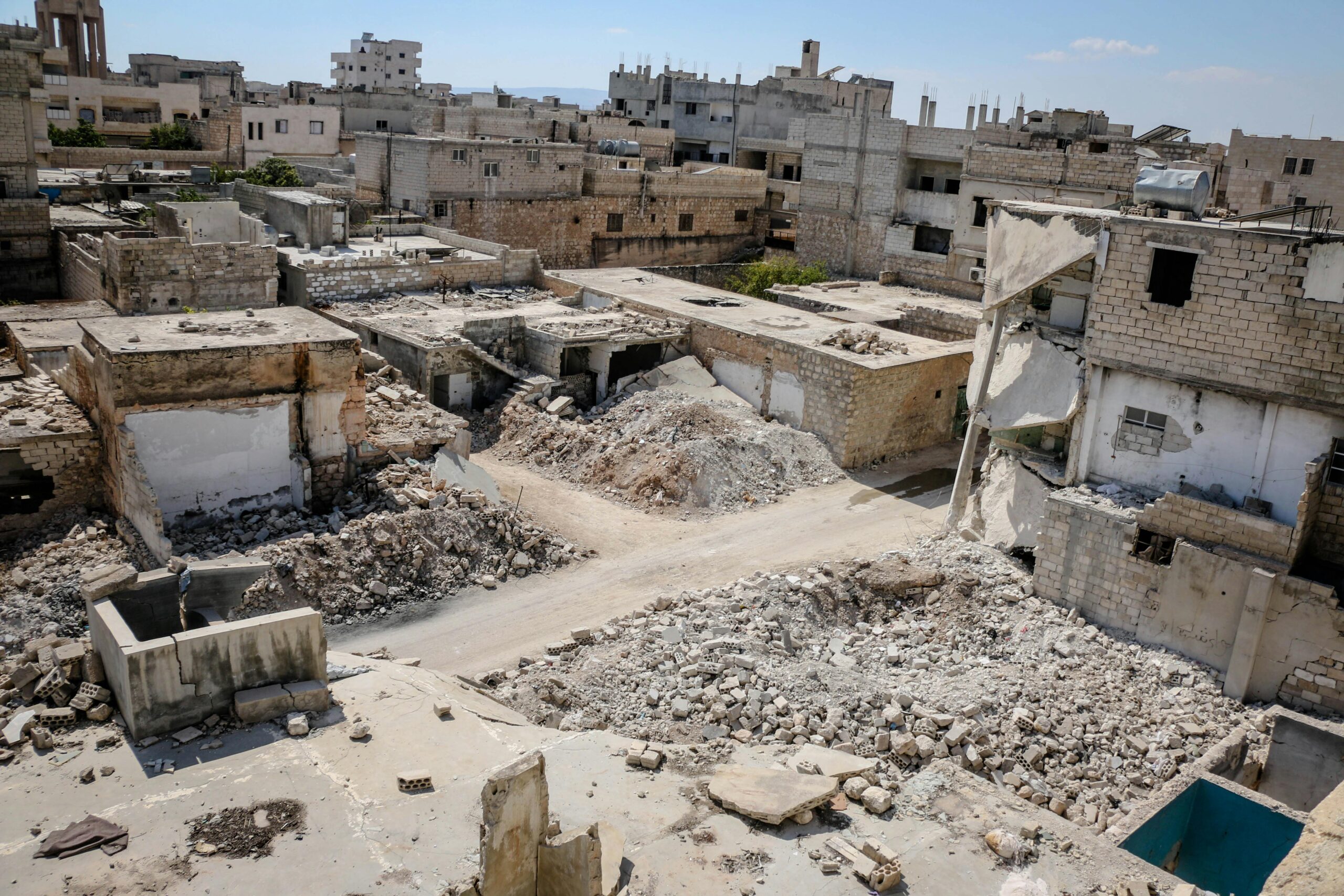
Rebuilding communities after conflict is one of humanity’s most urgent challenges, requiring coordinated efforts to restore trust, safety, and hope in societies torn apart by violence.
🕊️ The Complex Landscape of Post-Conflict Recovery
When guns fall silent and agreements are signed, the real work of healing begins. Post-conflict societies face multifaceted challenges that extend far beyond physical reconstruction. The invisible scars of violence—fractured relationships, destroyed institutions, and shattered trust—often prove more difficult to mend than buildings and infrastructure.
Anúncios
Communities emerging from conflict must navigate a delicate balance between justice and reconciliation, between remembering past atrocities and building a shared future. The process involves not only governmental and international efforts but requires deep engagement from local communities, civil society organizations, and individuals willing to bridge divides that once seemed insurmountable.
Understanding this complexity is essential for anyone involved in peacebuilding work, whether as policymakers, humanitarian workers, or community leaders committed to sustainable peace.
Anúncios
Understanding the Foundations of Community Trust
Trust forms the bedrock of functional societies, yet it becomes the first casualty of conflict. When neighbors turn against neighbors, when institutions fail to protect citizens, and when violence becomes normalized, the social fabric unravels in ways that persist long after fighting ends.
Rebuilding this trust requires addressing several interconnected dimensions. First, physical safety must be established—people cannot reconcile when they fear for their lives. Second, economic stability needs restoration so families can meet basic needs without resorting to violence or criminal activity. Third, psychological healing must occur, addressing trauma that affects entire generations.
The Psychology of Post-Conflict Communities
Trauma manifests differently across affected populations. Veterans struggle with combat experiences, children grow up knowing only violence, and civilians carry memories of loss and displacement. These experiences create collective trauma that shapes community identity and affects the capacity for trust-building.
Research shows that unaddressed trauma can perpetuate cycles of violence across generations. Children who witness violence often internalize conflict as normal, creating patterns that replicate unless intervention occurs. Breaking these cycles requires comprehensive mental health support integrated into broader reconstruction efforts.
Creating Safe Spaces for Dialogue and Reconciliation
Genuine reconciliation cannot be imposed from above—it must emerge through authentic dialogue between former adversaries. Creating spaces where people feel safe to share experiences, express pain, and work toward mutual understanding represents a critical step in rebuilding trust.
Truth and reconciliation processes, when designed thoughtfully, provide mechanisms for acknowledgment and accountability. South Africa’s Truth and Reconciliation Commission offered a model, though imperfect, showing how societies can confront painful histories while working toward collective healing.
Community-Led Peace Initiatives
The most sustainable peace efforts originate within communities themselves. External actors can provide resources and expertise, but local ownership determines long-term success. Community-led initiatives demonstrate several key advantages:
- Deep understanding of local dynamics, grievances, and cultural contexts
- Established relationships that can be leveraged for peacebuilding
- Legitimacy among community members who trust local leaders
- Sustainability beyond the presence of international organizations
- Culturally appropriate approaches that resonate with local values
Programs that train local mediators, establish community peace committees, and support grassroots reconciliation efforts create foundations for lasting change. These initiatives empower communities to resolve conflicts peacefully and rebuild social bonds disrupted by violence.
Restoring Justice and Accountability
Justice in post-conflict settings presents profound challenges. Communities torn by violence need mechanisms that acknowledge suffering, hold perpetrators accountable, and prevent future atrocities—all while avoiding revenge cycles that perpetuate conflict.
Transitional justice approaches combine multiple strategies: criminal prosecutions for serious violations, truth-telling processes, reparations for victims, and institutional reforms preventing recurrence. No single approach suffices; comprehensive strategies address different dimensions of justice and healing.
Balancing Retribution and Reconciliation
Finding equilibrium between accountability and forgiveness challenges every post-conflict society. Too much emphasis on prosecutions can alienate former combatants whose cooperation is needed for peace. Too much focus on reconciliation without accountability can deny victims justice and create impunity.
Successful approaches often combine formal and informal justice mechanisms. International tribunals address high-level perpetrators while community-based processes handle lower-level offenses. Traditional justice practices, where culturally appropriate, can complement formal systems by incorporating indigenous conflict resolution methods.
Economic Recovery as Foundation for Peace
Economic devastation accompanies conflict, destroying livelihoods and infrastructure while creating conditions where violence remains attractive. Young people without employment opportunities become vulnerable to recruitment by armed groups. Communities without economic prospects struggle to envision peaceful futures.
Economic recovery programs must extend beyond macroeconomic stabilization to create tangible improvements in daily life. Job creation, skills training, and support for small businesses provide alternatives to violence while rebuilding productive economies.
Inclusive Economic Development Strategies
Post-conflict economic development must consciously address inequalities that often fuel conflict. Programs should target marginalized groups, ensure women’s economic participation, and create opportunities across ethnic or sectarian divides. Inclusive growth demonstrates that peace delivers tangible benefits for all community members.
Microfinance programs, vocational training initiatives, and cooperative business models have shown promise in conflict-affected regions. These approaches provide both economic opportunity and platforms for cross-community cooperation, building relationships while rebuilding livelihoods.
The Role of Women in Peacebuilding
Women’s participation in peace processes correlates strongly with sustainable outcomes, yet women remain systematically excluded from formal negotiations. Research demonstrates that agreements involving women’s meaningful participation prove more durable and comprehensive, addressing broader range of community needs.
Women often maintain cross-community connections during conflicts, positioning them uniquely for bridge-building roles. They bring perspectives focused on community welfare, education, and social cohesion—priorities essential for sustainable peace but often marginalized in male-dominated negotiations.
Empowering Women’s Leadership
Supporting women’s leadership in post-conflict settings requires intentional effort. Programs should provide training, create platforms for women’s voices, and challenge cultural barriers to participation. Women’s peace committees, advocacy networks, and leadership development initiatives strengthen women’s capacity to shape recovery processes.
Addressing gender-based violence becomes particularly urgent in post-conflict contexts where such violence often escalates. Comprehensive responses including legal reforms, support services, and community education demonstrate commitment to safety for all community members.
Education as Vehicle for Transformation
Education systems in conflict-affected societies often perpetuate divisions through biased curricula, segregated schools, and unequal access. Transforming education offers powerful opportunities to build peaceful futures by shaping how young people understand history, identity, and coexistence.
Peace education curricula teach conflict resolution skills, critical thinking, and mutual respect. Integrated schools bring together children from different backgrounds, creating relationships that transcend conflict divisions. These interventions plant seeds for long-term social transformation.
Confronting Difficult Histories
How societies teach about conflict shapes collective memory and future trajectories. Education systems must acknowledge painful truths while avoiding narratives that glorify violence or demonize entire groups. Balanced approaches present multiple perspectives, encourage critical analysis, and emphasize shared humanity.
Teacher training proves crucial, as educators need skills to facilitate difficult conversations and address trauma in classrooms. Supporting teachers with appropriate materials, methods, and psychological support enables them to become agents of reconciliation.
Building Accountable and Inclusive Institutions
Institutional failures often contribute to conflict, whether through corruption, exclusion, or abuse of power. Rebuilding trust requires creating institutions that serve all citizens fairly, operate transparently, and ensure accountability for officials.
Security sector reform addresses one of the most sensitive areas. Police and military forces must transition from conflict actors to protectors serving entire populations. This transformation involves vetting personnel, providing training in human rights and community policing, and ensuring diverse representation.
Participatory Governance Mechanisms
Inclusive decision-making processes give communities voice in shaping their futures. Participatory budgeting, community consultations, and citizen oversight committees create channels for engagement while building civic skills and trust in institutions.
Decentralization can bring governance closer to communities, enabling responsive decision-making addressing local needs. However, decentralization must include safeguards preventing local power concentrations that replicate conflict dynamics at smaller scales.
The International Community’s Supporting Role
External actors—international organizations, donor governments, NGOs—provide vital support for post-conflict recovery. However, their involvement carries risks of dependency, cultural imposition, and undermining local ownership. Effective international engagement requires humility, long-term commitment, and genuine partnership with local stakeholders.
Coordination among international actors prevents duplication and ensures coherent support. Too often, competing organizations pursue separate agendas, creating confusion and inefficiency. Harmonized approaches aligned with national priorities and local needs prove more effective.
Sustainable Funding for Long-Term Recovery
Post-conflict recovery requires sustained investment extending far beyond initial emergency response. Yet funding often decreases precisely when consolidating peace becomes critical. Predictable, flexible funding enables planning and implementation of comprehensive programs addressing root causes rather than symptoms.
Innovative financing mechanisms, including peace bonds and conflict prevention funds, can provide more stable resources. Tying development assistance to peacebuilding outcomes encourages integration of conflict sensitivity across sectors.
Measuring Progress and Adapting Strategies
Assessing peacebuilding progress presents methodological challenges, as impacts often emerge slowly and involve intangible changes in attitudes and relationships. Nevertheless, monitoring and evaluation help identify what works, enable course corrections, and demonstrate accountability to affected communities and donors.
Indicators should capture both process and outcomes, measuring not just violence levels but also trust, social cohesion, and institutional functioning. Participatory evaluation involving community members ensures relevance and builds local capacity for ongoing assessment.
🌟 Nurturing Hope in Fractured Societies
Beyond technical interventions and institutional reforms, rebuilding after conflict requires nurturing hope—belief that peaceful coexistence is possible and worth pursuing. Hope emerges through tangible improvements in security and livelihoods, through reconciliation processes acknowledging pain while opening futures, and through young people envisioning possibilities beyond violence.
Stories of communities overcoming division inspire others facing similar challenges. Rwanda’s recovery after genocide, Northern Ireland’s peace process, and countless local reconciliation efforts demonstrate humanity’s capacity for healing and transformation.
Cultural expressions—art, music, storytelling—provide powerful vehicles for processing trauma and imagining shared futures. Supporting creative initiatives creates spaces for emotional expression and collective healing while celebrating resilience and common humanity.
The Path Forward: Commitment to Sustainable Peace
Rebuilding trust and safety after conflict represents generational work requiring patience, resources, and unwavering commitment. There are no shortcuts to genuine reconciliation, no quick fixes for fractured societies. Progress comes through countless small actions—conversations between former enemies, institutions serving fairly, economic opportunities creating alternatives to violence, and young people learning peaceful coexistence.
Success requires coordination across multiple levels: international support enabling national processes, government reforms reaching local communities, and grassroots initiatives scaling upward. It demands attention to immediate security while addressing long-term structural issues. Most importantly, it requires centering the voices, agency, and leadership of affected communities themselves.
The challenges are immense, but so is the human capacity for resilience, forgiveness, and renewal. Communities worldwide demonstrate that even the deepest wounds can heal, that trust can be rebuilt, and that hope can flourish where violence once reigned. By learning from these experiences, supporting community-led efforts, and maintaining long-term commitment, we can help restore not just physical safety but the social bonds, inclusive institutions, and shared visions that enable communities to thrive in peace.
Every society emerging from conflict writes its own story of recovery, shaped by unique histories, cultures, and circumstances. Yet common threads unite these journeys—the courage to confront painful pasts, the wisdom to pursue justice alongside reconciliation, and the faith that peaceful futures are possible. By walking alongside communities on these difficult paths, we participate in humanity’s most essential work: transforming conflict’s destruction into foundations for lasting peace. 🌍
