
Anúncios
The digital age has revolutionized how people meet, connect, and fall in love, with dating apps becoming the primary gateway to modern romance.

In recent years, the landscape of romantic connections has shifted dramatically from chance encounters at coffee shops or introductions through mutual friends to carefully curated profiles viewed on smartphone screens. This transformation has created a multi-billion dollar industry dedicated to helping singles find their perfect match through sophisticated algorithms, location-based services, and innovative communication features.
Anúncios
Dating applications have evolved far beyond their early iterations, now offering specialized platforms for virtually every demographic, relationship goal, and romantic preference. Understanding which apps dominate the current market and what makes them successful provides valuable insight into contemporary dating culture and the future of human connection.
The Evolution of Digital Dating 📱
The journey from desktop dating websites to mobile applications represents one of the most significant shifts in how technology influences personal relationships. Early platforms required users to sit at computers, carefully composing lengthy profiles and waiting days for responses. Today’s apps have streamlined this process into something that fits seamlessly into daily routines.
Anúncios
Mobile dating apps leverage smartphone capabilities that desktop sites never could, including GPS location tracking, push notifications, photo verification, and instant messaging. This technological advancement has made finding potential partners as convenient as checking social media or ordering food delivery.
The pandemic accelerated adoption rates dramatically, with many platforms reporting record-breaking user growth between 2020 and 2023. This surge wasn’t just about quantity; users became more intentional about their dating goals, leading apps to develop features supporting everything from casual connections to serious relationship-seeking.
Tinder: The Cultural Phenomenon That Started It All 🔥
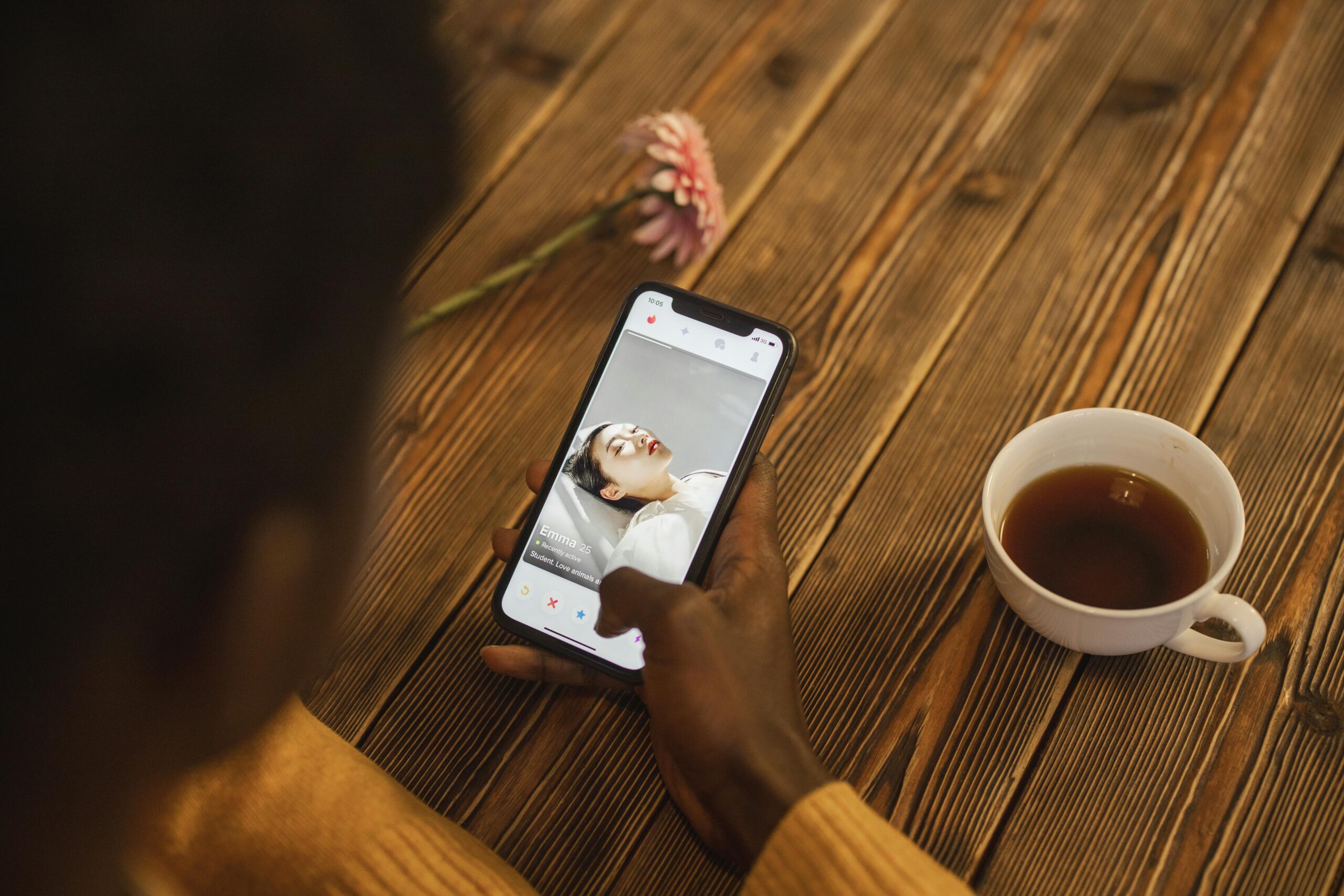
No discussion of dating apps can begin without acknowledging Tinder’s revolutionary impact on the industry. Launched in 2012, Tinder introduced the now-ubiquitous swipe interface that has become synonymous with modern dating. The simple gesture of swiping right to like or left to pass transformed dating from a time-consuming process into an engaging, almost game-like experience.

With over 75 million monthly active users worldwide, Tinder remains the most recognizable name in mobile dating. The platform’s success lies in its simplicity and broad appeal, catering to users seeking everything from hookups to long-term relationships. The app’s freemium model allows basic usage at no cost while offering premium features through Tinder Plus, Gold, and Platinum subscriptions.
Recent updates have introduced features like video chat, enhanced profile prompts, and safety tools including photo verification and an integrated panic button. These additions demonstrate Tinder’s commitment to evolving beyond its original casual dating reputation while maintaining the core experience that made it famous.
Bumble: Empowering Women to Make the First Move 🐝
Founded by former Tinder executive Whitney Wolfe Herd in 2014, Bumble differentiated itself by requiring women to initiate conversations in heterosexual matches. This simple rule shift addressed common complaints about unwanted messages and created a different dynamic in online dating interactions.

Bumble has expanded beyond dating to include Bumble BFF for friendships and Bumble Bizz for professional networking, positioning itself as a comprehensive connection platform. The app boasts over 40 million users globally and has cultivated a reputation for attracting users interested in serious relationships rather than casual encounters.
The platform’s emphasis on kindness, respect, and accountability sets it apart in an industry often criticized for enabling poor behavior. Features like profile verification, AI-powered detection of inappropriate content, and strict community guidelines create a safer environment for users, particularly women who have historically faced harassment on dating platforms.
Hinge: Designed to Be Deleted ❤️
Hinge markets itself as “the dating app designed to be deleted,” signaling its focus on facilitating meaningful connections that lead to actual relationships. Rather than endless swiping based primarily on photos, Hinge encourages users to engage with specific aspects of profiles through comments and likes on individual photos or prompt responses.

The app’s interface requires users to complete detailed profiles with multiple photos and responses to creative prompts like “A shower thought I recently had” or “I’m looking for someone who.” This structure provides significantly more information than photo-based apps, helping users make more informed decisions about compatibility.
Hinge’s algorithm learns from user behavior, including who they like and who they skip, to improve match suggestions over time. The platform also offers “Most Compatible” matches daily, using machine learning to identify profiles with high potential for mutual interest. These features have helped Hinge grow its user base to over 10 million, with particular strength among millennials and Gen Z users seeking relationships.
Match: The Original Online Dating Pioneer 💑
Match.com predates the smartphone era, having launched in 1995, but has successfully transitioned to mobile while maintaining its position as a leading platform for serious daters. The app attracts an older demographic than its competitors, with most users over 30 and actively seeking committed relationships or marriage.
The platform’s comprehensive profile system and sophisticated matching algorithm consider numerous compatibility factors beyond physical attraction. Users can specify detailed preferences regarding lifestyle, values, education, and relationship goals, helping filter matches to those with genuine long-term potential.
Match’s premium-only model, where meaningful interaction requires a paid subscription, creates a user base more invested in the dating process. This approach filters out casual browsers and creates an environment where users take their search seriously, leading to higher success rates for those seeking committed partnerships.
OkCupid: Where Algorithms Meet Compatibility 🧮
OkCupid distinguishes itself through an extensive questionnaire system that generates compatibility percentages between users. The platform asks hundreds of questions covering topics from politics and religion to lifestyle preferences and relationship expectations, using responses to calculate match percentages and identify potential conflicts.

This data-driven approach appeals to users who value intellectual compatibility and shared values. The app allows filtering by various criteria and provides transparency about why certain matches are suggested, giving users more control over their dating experience.
Recent updates have incorporated swipe functionality while maintaining the detailed profiles and question system that define the platform. OkCupid has also been progressive in implementing features for LGBTQ+ users, including numerous gender and orientation options, making it one of the most inclusive mainstream dating apps.
Coffee Meets Bagel: Quality Over Quantity ☕
Coffee Meets Bagel takes a deliberately slower approach to online dating, sending users a limited number of curated matches (called “bagels”) each day at noon. This design combats the overwhelming feeling many experience on apps with unlimited swiping, encouraging users to thoughtfully consider each potential match.
The app’s algorithm considers factors including education, height, ethnicity, religion, age, and interests when suggesting matches. Users have 24 hours to like or pass on their daily bagels, creating a sense of urgency while preventing the endless browsing that can lead to decision fatigue.
Coffee Meets Bagel has cultivated a user base of educated professionals seeking serious relationships. The platform particularly appeals to those feeling burned out by the high-volume, low-quality matches common on other apps, offering an alternative that prioritizes meaningful connections over quantity.
The Rise of Niche Dating Platforms 🎯
As the dating app market has matured, specialized platforms targeting specific demographics, interests, or relationship styles have gained traction. These niche apps serve communities underserved by mainstream platforms or users with particular preferences.
Religious-focused apps like Christian Mingle and JSwipe cater to users for whom faith is central to relationship compatibility. Profession-specific platforms such as Farmers Only and Uniform Dating connect people with shared career backgrounds. Apps like Her serve LGBTQ+ women, while Grindr remains the dominant platform for gay and bisexual men.
Lifestyle-based apps have also emerged, including Veggly for vegetarians and vegans, 420 Singles for cannabis enthusiasts, and Sea Captain Date for maritime professionals. While these platforms have smaller user bases than mainstream apps, they offer highly targeted matching that can lead to more compatible connections.
Premium Features and Monetization Strategies 💎
Most popular dating apps operate on freemium models, offering basic functionality at no cost while charging for enhanced features. Understanding these premium tiers helps users decide which investments might improve their dating success.
Common premium features include unlimited likes or swipes, the ability to see who has liked your profile before matching, profile boosts that increase visibility, advanced filters for specific preferences, and the option to send messages before matching. Some apps offer “super likes” or similar features to signal strong interest in particular profiles.
Subscription costs vary significantly, with monthly prices ranging from approximately $10 to $60 depending on the platform and commitment length. Most apps offer discounts for longer subscription periods, such as three-month or six-month packages. While premium features don’t guarantee dating success, they can increase match rates and provide useful tools for serious users.
Safety and Privacy Considerations 🔒
As dating apps have become mainstream, safety concerns have emerged regarding everything from catfishing and harassment to data privacy and physical safety during in-person meetings. Reputable platforms have responded by implementing various protective measures.
Photo verification systems help confirm users are who they claim to be, reducing fake profiles and catfishing attempts. Reporting and blocking features allow users to remove problematic matches, while AI systems detect and remove inappropriate content. Many apps now include safety centers with resources about recognizing scams, meeting safely, and reporting concerns.
Users should also take personal precautions, including avoiding sharing sensitive information too quickly, meeting in public places for initial dates, informing friends or family about meeting plans, and trusting instincts about suspicious behavior. No platform can eliminate all risks, but awareness and smart practices significantly reduce potential problems.
The Psychology Behind the Swipe 🧠
Dating apps tap into fundamental psychological principles that make them simultaneously effective and potentially problematic. The variable reward schedule created by unpredictable matches triggers dopamine release similar to gambling, creating habit-forming behavior that keeps users engaged.
The paradox of choice presents another psychological challenge, as unlimited options can lead to decision paralysis and decreased satisfaction with chosen matches. Research suggests that having too many options makes people less committed to their selections and more likely to second-guess their choices.
However, dating apps also reduce anxiety for many users by removing the immediate rejection factor of in-person approaches. The asynchronous nature of messaging allows people to craft thoughtful responses rather than thinking on their feet, while the initial match requirement ensures mutual interest before conversation begins.
Success Stories and Real Results 💕
Despite skepticism from some quarters, dating apps have facilitated millions of successful relationships and marriages. Industry data suggests that approximately 30-40% of relationships now begin online, with dating apps representing a significant portion of those connections.
Research indicates that relationships formed through dating apps show similar satisfaction and stability rates to those beginning through traditional means. The key difference lies not in relationship quality but in the expanded pool of potential partners accessible through digital platforms.
Many apps share success stories from couples who met through their platforms, sometimes including marriages and families that resulted from initial swipe-right moments. These testimonials serve marketing purposes but also reflect genuine connections facilitated by technology bringing compatible people together.
Future Trends Shaping Digital Dating 🚀
The dating app industry continues evolving rapidly, with several emerging trends likely to shape its future. Video-based features have expanded significantly, with some platforms introducing video profiles, speed dating events, and video-first matching to provide richer information than static photos.
Artificial intelligence and machine learning are becoming increasingly sophisticated in predicting compatibility and suggesting matches. Future systems may analyze communication patterns, profile interactions, and success rates to improve matching accuracy beyond current capabilities.
Virtual and augmented reality technologies could transform online dating by enabling immersive virtual dates before in-person meetings. Some platforms are already experimenting with VR spaces where users can interact in simulated environments, potentially bridging the gap between online chatting and physical meetings.
Making Dating Apps Work for Your Goals 🎯
Success on dating apps requires strategy beyond simply creating a profile and swiping. High-quality, recent photos that accurately represent your appearance are essential, as are thoughtful profile texts that provide genuine insight into your personality and interests.
Being clear about intentions helps attract compatible matches while avoiding mismatches with people seeking different relationship types. Regular engagement with the app improves algorithm performance and visibility, though avoiding compulsive use prevents burnout and maintains healthy boundaries.
Treating matches as real people rather than profiles, transitioning to in-person meetings relatively quickly for promising connections, and maintaining realistic expectations all contribute to positive experiences. Dating apps are tools that facilitate connections, but building actual relationships requires the same communication, compatibility, and effort as traditional dating.
The current landscape of dating apps offers unprecedented access to potential partners across diverse platforms serving various needs and preferences. Whether seeking casual connections, serious relationships, or something in between, users can find apps designed for their specific goals. Understanding the strengths, features, and user bases of different platforms enables informed choices about where to invest time and energy in the search for romantic connection in our increasingly digital world.
