
Anúncios
In today’s hyper-connected world, free internet WiFi has become as essential as electricity, transforming how we work, communicate, and navigate our daily lives.
Where to Find Free WiFi Near You

Explore Free Hotspots
Access to free internet WiFi has evolved from a luxury convenience to a fundamental expectation in urban environments. Coffee shops, libraries, airports, and public spaces now compete to offer the fastest and most reliable connections to attract customers and visitors.
Anúncios
However, navigating the landscape of free WiFi requires understanding where to find it, how to stay secure, and what limitations you might encounter. This comprehensive guide will empower you to maximize your free internet access while protecting your digital privacy.
🌐 The Global Rise of Public WiFi Networks
The proliferation of free internet WiFi has transformed urban infrastructure across the globe. Cities from New York to Tokyo have invested millions in creating comprehensive public WiFi networks that blanket parks, transportation hubs, and commercial districts.
Anúncios
This digital revolution stems from recognizing internet access as a basic utility rather than a premium service. Municipal governments understand that connectivity drives economic growth, supports education, and reduces the digital divide that separates communities.
Major metropolitan areas now boast thousands of free hotspots. London’s LinkUK network provides gigabit-speed connections across hundreds of street-level access points, while Seoul offers seamless WiFi coverage throughout its extensive subway system.
Private businesses have joined this connectivity movement enthusiastically. Retail chains, restaurants, and hospitality venues leverage free WiFi as both a customer amenity and a data collection tool that provides insights into consumer behavior and foot traffic patterns.
☕ Top Venues Offering Reliable Free WiFi
Coffee shops remain the quintessential free WiFi destination, with Starbucks leading the charge by offering unlimited access without purchase requirements in many locations. Their connection speeds typically support video streaming and video conferencing, making them popular remote work destinations.
Fast food chains have recognized WiFi’s power to extend customer dwell time and increase purchase frequency. McDonald’s, Panera Bread, and Dunkin’ provide free connections at virtually all locations, creating comfortable environments for digital nomads and students alike.
Public Libraries: The Underrated WiFi Sanctuary 📚
Public libraries offer perhaps the most reliable and fastest free WiFi available, with fewer restrictions than commercial venues. Most libraries provide connection speeds suitable for bandwidth-intensive tasks and maintain networks with robust security protocols.
Unlike coffee shops that expect periodic purchases, libraries welcome extended stays without commercial pressure. Many have designated quiet work areas, power outlets at every seat, and even private study rooms available for reservation.
Library networks typically implement content filtering for legal compliance, but these restrictions rarely affect professional or educational activities. Access hours align with library operating schedules, though some institutions now offer 24/7 exterior hotspots.
Transportation Hubs: Connectivity on the Move ✈️
Airports have dramatically improved their free WiFi offerings after years of charging premium rates. Major international airports now provide complimentary high-speed access throughout terminals, eliminating time restrictions that once plagued travelers.
Train stations and bus terminals increasingly follow this model, recognizing that connectivity enhances the passenger experience and supports real-time travel coordination. Amtrak offers free WiFi on most routes, though connection quality varies based on terrain and infrastructure.
Urban transit systems present mixed results for WiFi availability. While some subway networks like those in Toronto and Hong Kong offer seamless underground connectivity, others provide coverage only at stations rather than between stops.
🔒 Protecting Your Digital Security on Public Networks
Free internet WiFi convenience comes with inherent security risks that demand cautious navigation. Public networks create opportunities for malicious actors to intercept unencrypted data, deploy man-in-the-middle attacks, or distribute malware through compromised connections.
The most critical security measure involves using a Virtual Private Network (VPN) whenever connecting to public WiFi. VPNs encrypt all data transmitted between your device and the internet, rendering intercepted information useless to potential attackers.
Verify network authenticity before connecting, as cybercriminals often create fake hotspots with legitimate-sounding names like “Free_Airport_WiFi” or “Starbucks_Guest.” Always confirm the official network name with venue staff to avoid connecting to malicious access points.
Essential Security Practices for Public WiFi 🛡️
- Disable automatic connectivity: Configure devices to ask before joining networks rather than connecting automatically to familiar network names
- Enable two-factor authentication: Add an extra security layer to accounts accessed on public WiFi, preventing unauthorized access even if passwords are compromised
- Avoid sensitive transactions: Refrain from accessing banking, medical records, or entering payment information unless absolutely necessary and protected by VPN
- Turn off file sharing: Disable features like AirDrop, network discovery, and file sharing to prevent unauthorized access to your device
- Use HTTPS connections: Verify that websites display the padlock icon indicating encrypted connections before entering any personal information
- Keep software updated: Maintain current operating systems and applications to benefit from the latest security patches and vulnerability fixes
Consider using your phone’s mobile hotspot for particularly sensitive activities rather than relying on public WiFi. Cellular connections provide inherently more secure data transmission, though they consume your data allowance.
📱 WiFi Finder Apps: Your Connectivity Companion
Specialized applications have emerged to help users locate and evaluate free WiFi hotspots worldwide. These crowdsourced platforms aggregate millions of access points, providing real-time information about availability, speed, and reliability.
WiFi Map leads this category with its comprehensive database covering over 100 million hotspots globally. The app includes offline maps, user reviews, and password sharing for secured networks with permission from venue owners.
Instabridge takes a community-driven approach, automatically connecting users to nearby hotspots and contributing discovered networks back to the collective database. The platform emphasizes security by vetting shared networks and filtering suspicious access points.
Wiman offers detailed hotspot information including connection instructions, speed test results, and photos of venue interiors. The app’s filtering options let users search specifically for fast networks, uncrowded locations, or venues with specific amenities.
⚡ Understanding WiFi Speed Limitations
Free internet WiFi rarely delivers the speeds advertised by venues, as bandwidth is shared among all connected users. A network advertising “high-speed WiFi” might provide excellent performance during slow periods but become unusable during peak hours.
Connection speed depends on multiple factors including network infrastructure, user density, distance from access points, and physical obstructions. A coffee shop’s WiFi might support video streaming in the morning but struggle with basic web browsing during the lunch rush.
| Activity | Minimum Speed Required | Recommended Speed |
|---|---|---|
| Email & Web Browsing | 1-5 Mbps | 5-10 Mbps |
| Video Streaming (HD) | 5-8 Mbps | 10-15 Mbps |
| Video Conferencing | 3-6 Mbps | 10-20 Mbps |
| Large File Downloads | 10 Mbps | 25+ Mbps |
| Online Gaming | 3-6 Mbps | 15-25 Mbps |
Network congestion creates the most common speed limitations on public WiFi. When dozens of users simultaneously stream video or download large files, available bandwidth divides among connected devices, degrading performance for everyone.
🌍 International WiFi Access: Global Connectivity Tips
Traveling internationally introduces additional challenges for finding reliable free internet WiFi. Network names, connection procedures, and availability vary dramatically across countries and regions, requiring adaptable strategies for maintaining connectivity.
European cities generally offer excellent public WiFi infrastructure, with many providing municipality-sponsored networks in tourist districts and public squares. Countries like Estonia have pioneered nationwide WiFi initiatives, offering free access across much of their territory.
Asian metropolitan areas often provide the fastest and most reliable public WiFi globally, with South Korea, Japan, and Singapore leading in both coverage and connection speeds. Many Asian airports, malls, and transit systems offer seamless connectivity without registration requirements.
Navigating WiFi Registration Requirements 📝
Many countries require phone number verification or email registration to access public WiFi, creating barriers for international travelers without local phone numbers. Some venues demand social media authentication, raising privacy concerns for security-conscious users.
Purchase temporary local SIM cards or international data plans if you anticipate heavy internet usage abroad. These options often prove more reliable and secure than constantly seeking free WiFi, particularly in regions with limited public network availability.
Tourist information centers typically offer reliable free WiFi without complex registration procedures, making them valuable connectivity refuges when other options prove frustrating or unavailable.
💼 Remote Work on Public WiFi: Best Practices
The rise of remote work has transformed coffee shops and coworking spaces into makeshift offices, with professionals spending entire workdays on free internet WiFi. This trend demands heightened security awareness and etiquette consideration for shared spaces.
Position yourself strategically within venues to maximize both WiFi signal strength and privacy. Sitting near routers improves connection stability, while choosing seats away from windows and crowded areas reduces shoulder surfing risks where others might view your screen.
Invest in a quality VPN subscription specifically for professional use, as free VPN services often compromise speed, reliability, or security. Premium VPN providers offer dedicated servers for business applications and customer support for connectivity issues.
WiFi Etiquette for Remote Workers ☕
Respect venue policies regarding minimum purchases and time limits on free WiFi usage. Many coffee shops implement hourly purchase expectations during peak periods, and honoring these guidelines maintains goodwill with establishments providing free connectivity.
Avoid monopolizing prime seating during busy periods if you’re working for extended durations. Offer to relocate to less desirable tables when queues form, demonstrating consideration for both the business and other customers seeking space.
Use headphones for all audio, including video calls, typing sounds, and notification alerts. Background noise disrupts both your concentration and the ambiance other patrons expect in public venues.
🆓 The Economics Behind Free WiFi
Understanding why businesses offer free internet WiFi reveals both the benefits and potential drawbacks of these networks. Venues rarely provide connectivity purely from altruism; instead, they leverage WiFi as a strategic business tool with measurable returns.
Free WiFi extends average customer dwell time significantly, increasing the likelihood of additional purchases. A customer who arrives for coffee but stays for lunch represents substantially higher revenue than one who makes a single purchase and leaves.
Data collection represents another valuable WiFi benefit for businesses. Connection processes that require email addresses or social media authentication build marketing databases while providing insights into customer demographics, visit frequency, and behavior patterns.
Competitive pressure drives many venues to offer free WiFi simply because customers expect it. Businesses without WiFi risk losing customers to competitors who provide connectivity, particularly among younger demographics who consider internet access essential.
🚀 The Future of Public Internet Access
Emerging technologies promise to revolutionize free internet WiFi availability and performance. WiFi 6 and the forthcoming WiFi 7 standards deliver dramatically faster speeds, increased capacity, and better performance in crowded environments with numerous connected devices.
Municipal broadband initiatives continue expanding as cities recognize internet access as critical infrastructure equivalent to roads and utilities. These public networks typically offer faster speeds and fewer restrictions than commercial alternatives while serving economic development goals.
5G cellular networks may eventually reduce dependence on WiFi hotspots by providing ubiquitous high-speed connectivity through mobile devices. However, WiFi remains more cost-effective for stationary use and continues evolving to maintain its relevance.
Satellite internet services like Starlink introduce potential for free WiFi in remote areas previously lacking infrastructure for traditional connectivity. As satellite technology matures and costs decrease, unprecedented global coverage becomes increasingly feasible.
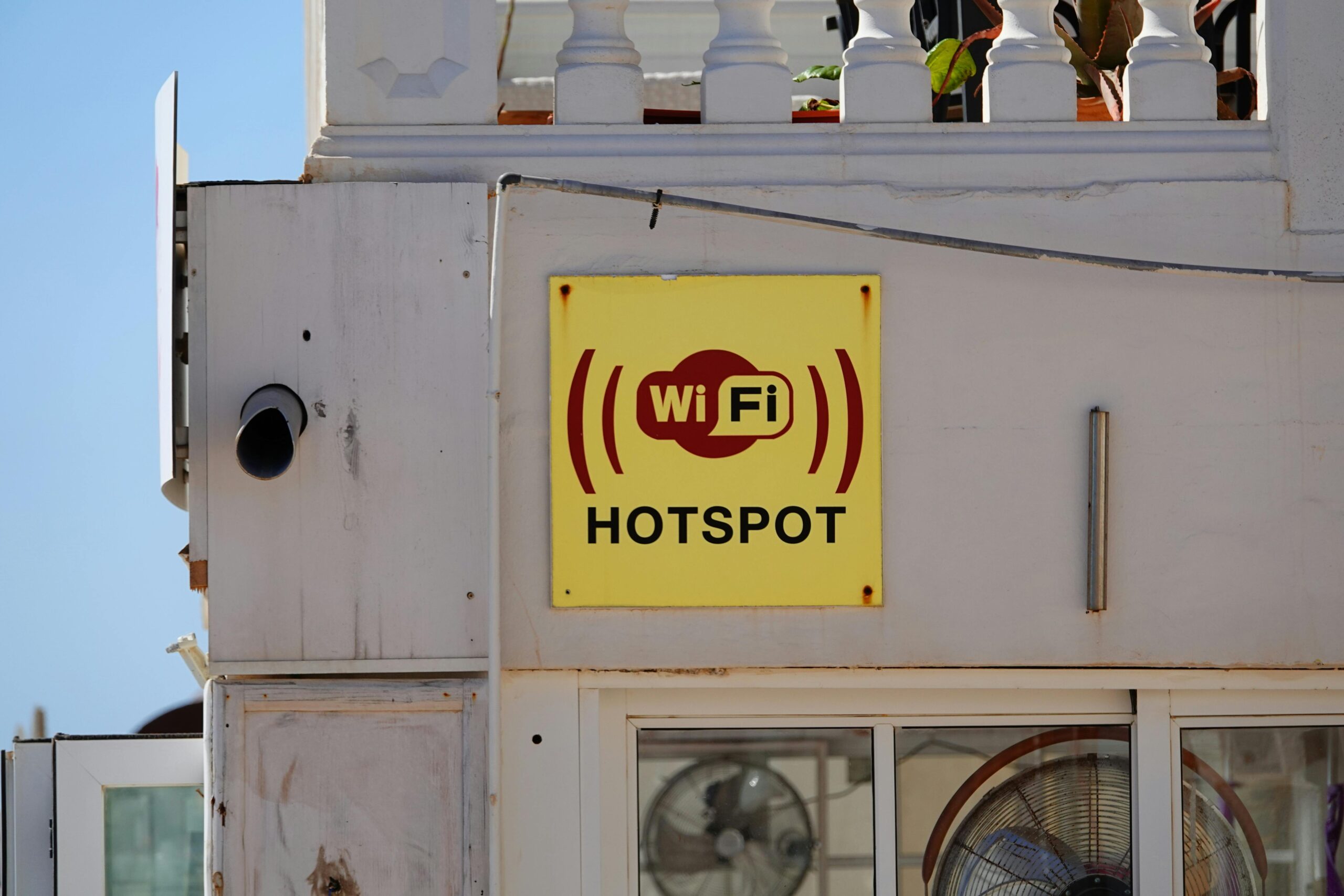
🎯 Maximizing Your Free WiFi Experience
Strategic planning transforms intermittent free internet WiFi access into reliable connectivity throughout your day. Map out WiFi-enabled locations along your regular routes, creating a mental network of reliable hotspots for different needs and situations.
Download offline content during high-quality WiFi sessions to reduce data dependency during periods without connectivity. Cache maps, download playlists, and save articles for offline reading to maintain productivity regardless of network availability.
Maintain a backup connectivity plan using mobile hotspot capabilities or portable WiFi devices for critical situations where free networks prove unavailable or inadequate. This redundancy ensures you’re never completely disconnected when internet access becomes essential.
Test network performance immediately after connecting using speed test applications to verify whether the connection meets your current needs. Don’t waste time attempting bandwidth-intensive tasks on networks that clearly can’t support them.
Free internet WiFi has democratized connectivity and transformed how we interact with digital resources throughout our daily lives. By understanding where to find reliable networks, implementing proper security measures, and respecting the etiquette of shared spaces, you can harness the full potential of public internet access while protecting your privacy and data. As technology continues advancing and infrastructure expands globally, free WiFi will only become more integral to our connected existence.
