
Anúncios
High-level fishing has evolved dramatically with technology, and free apps now offer anglers powerful tools to track conditions, locate fish, and enhance their angling success like never before.
<strong>Free Fishing App 🎣</strong>
The digital revolution has transformed fishing from a purely instinctive activity into a data-driven sport where technology meets tradition. Modern anglers can now access sophisticated forecasting tools, underwater mapping, and community insights directly from their smartphones without spending a fortune on expensive equipment or subscriptions.
Anúncios
Whether you’re targeting trophy bass in freshwater lakes or pursuing saltwater giants offshore, free fishing applications provide valuable intelligence that was once available only to professional guides and tournament competitors. These tools democratize fishing knowledge and level the playing field for passionate anglers worldwide.
🎣 Revolutionary Features That Transform Your Fishing Experience
Today’s fishing apps incorporate advanced meteorological data, lunar phase tracking, barometric pressure readings, and water temperature analysis to predict optimal fishing windows. These sophisticated algorithms process millions of data points to help anglers determine when fish are most likely to feed actively.
Anúncios
GPS mapping capabilities allow users to mark productive spots with precise coordinates, create custom waypoints, and navigate back to secret honey holes with pinpoint accuracy. Many applications integrate bathymetric charts that reveal underwater structures, drop-offs, channels, and depth contours where game fish typically congregate.
Social features connect anglers globally, creating vibrant communities where members share catches, techniques, and location-specific tips. This collaborative approach accelerates learning curves and helps newcomers avoid common mistakes while discovering productive patterns faster than ever before.
📱 Top Free Applications Serious Anglers Rely On
Fishbrain stands as the world’s largest fishing app, boasting over 13 million users who share real-time catch reports, fishing forecasts, and detailed location data. The free version provides access to community catches, basic weather forecasts, and the ability to log your personal catches with photos and specifics.
Navionics Boating offers comprehensive marine charts covering coastal areas and inland waterways across the globe. The free tier includes basic navigation features, community-generated edits, and SonarChart™ shading that visualizes bottom composition and depth variations critical for locating structure-oriented species.
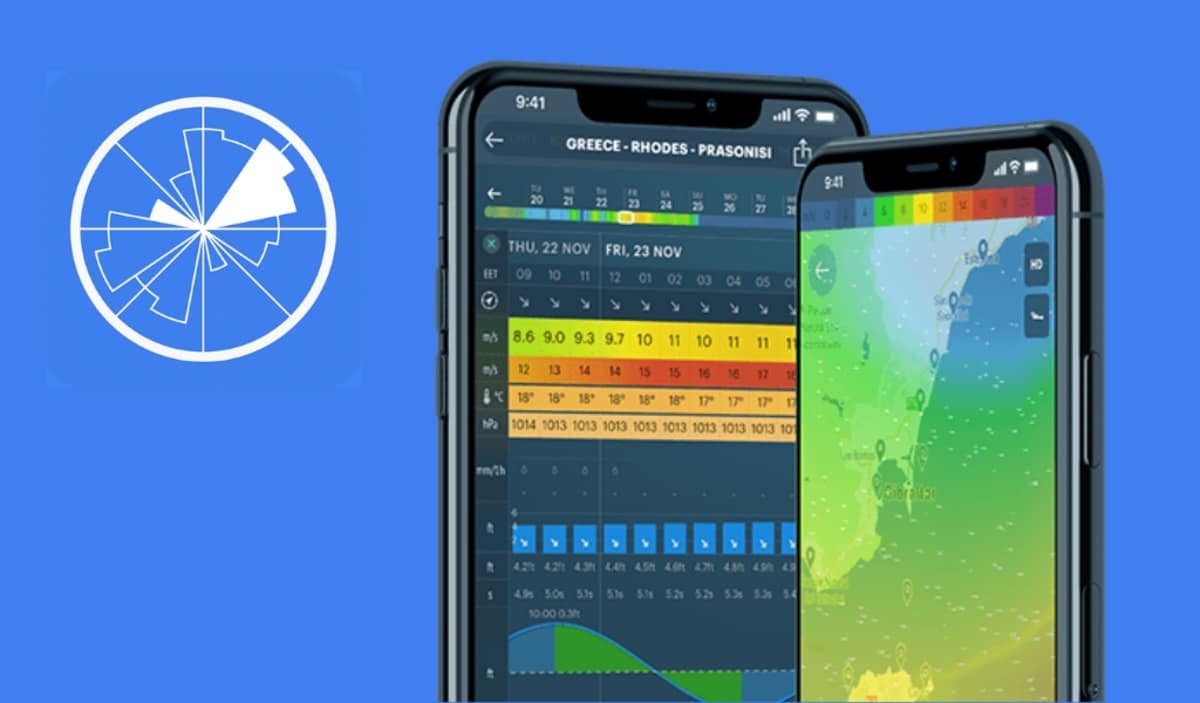
Windy delivers professional-grade weather forecasting with animated wind patterns, wave heights, precipitation predictions, and atmospheric pressure systems. While designed for multiple outdoor activities, its detailed meteorological data proves invaluable for planning fishing trips and understanding how weather impacts fish behavior.
🌊 Specialized Apps for Different Fishing Environments
FishAngler caters specifically to freshwater enthusiasts with species-specific forecasts for bass, crappie, catfish, and panfish. The application analyzes local conditions and generates daily fishing scores that indicate the quality of fishing expected based on multiple environmental variables.
Tides Near Me simplifies saltwater fishing by providing accurate tide predictions, current speeds, sunrise and sunset times, and moon phase data. Understanding tidal movements remains essential for coastal anglers targeting species whose feeding patterns correlate directly with tidal flows.
MyRadar Weather Radar offers real-time precipitation tracking with animated radar imagery, helping anglers avoid dangerous weather while identifying productive pre-frontal conditions when fish often feed aggressively before storms arrive.
🗺️ Mastering Digital Mapping for Fishing Success
Understanding how to interpret digital maps separates successful anglers from those who struggle to find fish consistently. Bathymetric contours reveal underwater topography including points, humps, ledges, and creek channels where predators ambush prey species.
Contour lines that bunch closely together indicate steep drop-offs and vertical structure preferred by suspended species like striped bass and walleye. Conversely, widely spaced contours show gradual slopes and flats where shallow-water species like redfish and flounder commonly patrol.
Vegetation layers available in some applications highlight aquatic plant beds that provide cover for baitfish and attract game fish. Overlaying multiple data sources creates comprehensive pictures of environments that help anglers develop effective strategies before launching their boats.
⚓ Strategic Waypoint Management Techniques
Creating organized waypoint systems transforms random fishing into systematic approaches. Categorize saved locations by species, season, technique, or productivity level to quickly reference proven spots under specific conditions.
Record environmental conditions when marking waypoints including wind direction, water temperature, time of day, and successful presentations. This contextual information helps pattern fish behavior and replicate success during similar situations.
Regularly update waypoint notes with current observations, as fishing spots evolve with seasonal changes, vegetation growth, and water level fluctuations that alter fish positioning and feeding behaviors throughout the year.
🌤️ Decoding Weather Patterns for Peak Fishing Windows
Barometric pressure significantly influences fish activity levels, with stable or slowly falling pressure typically producing the best action. Rapidly falling barometers preceding storm fronts often trigger feeding frenzies as fish sense approaching weather changes.
Wind direction affects water temperature distribution, oxygenation, and baitfish positioning. In reservoirs and lakes, winds blow warmer surface water toward lee shores, concentrating plankton, baitfish, and consequently predators in these productive zones.
Cloud cover moderates light penetration, often increasing daytime fishing success by reducing visibility concerns for wary species. Overcast conditions allow anglers to fish shallow water longer into morning hours and earlier during evening periods.
🌙 Lunar Influence on Fish Feeding Behavior
Major and minor solunar periods correlate with increased fish movement and feeding activity. Major periods occur when the moon is directly overhead or underfoot, while minor periods happen during moonrise and moonset.
New and full moon phases generate stronger tidal currents in saltwater environments, creating enhanced feeding opportunities as currents dislodge prey and concentrate baitfish in predictable areas near structure and depth changes.
Combining lunar data with favorable weather conditions and optimal water temperatures creates “perfect storm” scenarios when multiple variables align to produce exceptional fishing opportunities that serious anglers prioritize in their schedules.
📊 Analyzing Catch Data to Identify Productive Patterns
Logging every fishing trip with detailed information builds valuable databases that reveal patterns invisible during individual outings. Record species caught, sizes, locations, techniques, lures, times, and environmental conditions for comprehensive analysis.
Review historical data before trips to identify seasonal patterns specific to your fishing areas. Discovering that largemouth bass consistently bite topwater lures on overcast mornings in June near specific points provides actionable intelligence for future expeditions.
Many apps generate automatic statistics showing your most productive techniques, locations, and times. These insights guide equipment purchases, strategy development, and trip planning decisions that maximize limited fishing time available to most anglers.
🎯 Community Intelligence and Crowd-Sourced Information
Active fishing communities within apps provide real-time reports about current conditions, successful patterns, and emerging bites. Recent catches posted near your target areas indicate active fish and validate trip decisions.
Studying photos from successful anglers reveals productive lure colors, sizes, and presentations under specific conditions. Observing what works for others accelerates learning and helps anglers adapt techniques to local preferences.
Engaging respectfully with community members through comments and messages builds relationships with experienced local anglers who often share valuable insights not publicly posted. Reciprocating with your own detailed reports strengthens these beneficial connections.
🤝 Ethical Information Sharing Practices
Balancing community contribution with spot protection requires thoughtfulness. Share general areas and techniques rather than exact coordinates of particularly sensitive or easily overfished locations to maintain sustainable fisheries.
Provide accurate information that helps others succeed without compromising waters through excessive pressure. Highlight public-access locations rather than private or limited-access spots to distribute fishing pressure appropriately.
Respect local regulations, size limits, and bag limits in all shared content. Modeling ethical behavior educates newer anglers and promotes conservation values essential for maintaining healthy fish populations.
🔧 Advanced Techniques for Maximizing App Functionality
Layer multiple data sources simultaneously to create comprehensive environmental pictures. Overlaying weather radar, wind forecasts, and bathymetric maps reveals how atmospheric conditions interact with underwater topography to influence fish positioning.
Set custom alerts for favorable conditions including barometric pressure changes, ideal wind directions, or approaching weather fronts. Proactive notifications ensure you capitalize on prime fishing windows even with busy schedules.
Integrate fishing apps with other outdoor tools including marine VHF radio apps, navigation software, and digital fish identification guides to create complete mobile fishing command centers accessible from single devices.
📸 Documenting Catches for Future Reference
Photograph catches from multiple angles showing fish characteristics, size comparisons, and surrounding environments. Quality images support accurate species identification and provide visual records useful when consulting with biologists or fishing mentors.
Include measurement references like rulers, landing nets, or standardized grids when photographing trophy fish. Accurate size documentation validates personal records and contributes valuable data to citizen science projects monitoring fish populations.
Practice quick photography techniques and proper fish handling to minimize stress on released fish. Wet hands before handling, support fish horizontally, keep them in water when possible, and limit air exposure to preserve their health after release.
🌍 Regional Customization for Local Success
Fishing apps perform best when customized for specific regions and target species. Adjust notification preferences, map layers, and forecast parameters to match local conditions and personal fishing styles for optimal relevance.
Research which apps enjoy most popularity in your fishing areas, as community features provide maximum value where user bases are largest. Regional variations in app adoption mean different platforms dominate various geographic markets.
Download offline map packages for areas with limited cellular coverage, ensuring navigation and waypoint functionality remain available when fishing remote locations beyond network reach. Preparation prevents frustrating technological failures during trips.
💡 Combining Traditional Knowledge with Digital Tools
Technology enhances rather than replaces traditional fishing wisdom accumulated through generations. Apps provide data, but successful anglers interpret information through experiential lenses developed over countless hours on the water.
Validate app predictions against personal observations and local knowledge. While algorithms process vast datasets, they cannot account for every local variable like recent stocking events, industrial discharges, or unusual weather patterns affecting specific waters.
Teach newer anglers foundational skills including knot tying, basic fish biology, proper handling techniques, and safety procedures before emphasizing technological aids. Solid fundamentals ensure anglers remain effective when devices fail or batteries die.
🚀 Future Developments in Fishing Technology
Artificial intelligence integration promises increasingly accurate predictions as machine learning algorithms analyze expanding datasets from millions of fishing trips. Predictive models will likely achieve unprecedented precision in forecasting optimal fishing conditions.
Augmented reality features may soon overlay digital information onto real-world views through smartphone cameras or specialized glasses, displaying underwater contours, fish locations, and strategic suggestions in real-time as anglers survey waters.
Wearable technology including smartwatches with fishing-specific complications will deliver discreet condition updates and bite alerts without requiring anglers to constantly check phones, maintaining focus on fishing while staying informed.
🎓 Educational Resources Within Free Applications
Many fishing apps include extensive libraries with technique tutorials, species identification guides, and rigging instructions that educate anglers continuously. These resources transform devices into portable fishing encyclopedias accessible anywhere.
Video content demonstrates proper techniques from expert anglers, providing visual learning opportunities that surpass written descriptions. Watching professionals execute specific presentations clarifies nuances difficult to convey through text alone.
Interactive forums and Q&A sections connect beginners with experienced mentors willing to answer questions and provide personalized guidance. This accessible expertise democratizes fishing education previously available only through expensive guides or specialized schools.
⚡ Optimizing Battery Life During Extended Fishing Sessions
GPS tracking and constant screen usage rapidly drain smartphone batteries. Carry portable power banks with sufficient capacity to recharge devices multiple times during all-day fishing adventures far from electrical outlets.
Enable battery saver modes and reduce screen brightness when using fishing apps extensively. Download necessary maps and data before trips to minimize cellular data usage that accelerates battery consumption.
Consider waterproof cases with integrated battery packs that simultaneously protect devices from water damage while extending operational time. Investment in quality protective gear prevents expensive replacements and ensures reliable performance.
🏆 Competitive Fishing Applications and Tournament Support
Tournament anglers utilize specialized apps for official catch submission, real-time leaderboards, and competition management. These platforms streamline previously cumbersome processes while adding transparency to competitive fishing events.
Digital catch verification through photo analysis and GPS stamping reduces cheating while simplifying tournament administration. Automated systems verify legal catches, proper measurements, and compliance with competition rules efficiently.
Practice mode features in tournament apps allow competitors to simulate official submissions, familiarizing themselves with processes before pressure-filled competition days when smooth operations prove critical for success.
🌟 Building Your Personal Fishing Intelligence System
Combine multiple free applications to create comprehensive fishing intelligence platforms exceeding capabilities of individual programs. Use specialized apps for weather, tides, mapping, and community insights simultaneously for complete environmental awareness.
Develop personal workflows that efficiently gather information from various sources before and during fishing trips. Streamlined routines ensure you access critical data quickly without wasting valuable fishing time navigating multiple applications.
Regularly review and update your app selection as developers release improvements and new options emerge. The fishing technology landscape evolves rapidly, with innovative features regularly enhancing capabilities available to modern anglers.
🎣 Transforming Fishing Through Accessible Technology
Free fishing applications have revolutionized how anglers approach their sport, providing professional-grade tools without financial barriers. These technologies empower passionate fishermen to fish smarter, learn faster, and connect with global communities sharing their dedication.
Success still requires skill, patience, and watercraft understanding, but digital tools significantly enhance efficiency and effectiveness. Anglers who embrace these technologies while maintaining traditional foundations position themselves for consistent success across diverse fishing situations.
The fusion of timeless fishing wisdom with cutting-edge technology creates exciting opportunities for current and future generations. As applications continue evolving, the boundary between amateur and professional capabilities narrows, elevating fishing experiences for enthusiasts worldwide who simply love being on the water.
