Anúncios
Language serves as humanity’s most powerful tool, breaking barriers and weaving connections across diverse cultures, geographies, and lived experiences with remarkable precision.
🌍 The Universal Thread That Binds Humanity
Throughout human history, words have functioned as bridges rather than walls. From ancient trade routes where merchants negotiated in multiple tongues to modern digital spaces where people connect instantaneously across continents, language remains our primary vehicle for understanding one another. The beauty of linguistic communication lies not merely in its ability to convey information, but in its capacity to transmit emotions, values, and the very essence of what makes us human.
Anúncios
Every conversation represents an opportunity to transcend differences. When we engage with someone whose background differs from our own, we’re not simply exchanging vocabulary—we’re sharing worldviews, philosophies, and fragments of our collective human experience. This exchange creates invisible threads that strengthen the fabric of global society, reminding us that beneath surface-level differences, we share fundamental hopes, fears, and aspirations.
The Transformative Power of Multilingualism
Speaking multiple languages opens doorways to perspectives that would otherwise remain inaccessible. Each language carries within it unique cultural wisdom, idioms that capture truths in ways other languages cannot, and cognitive frameworks that shape how speakers perceive reality. When we learn another language, we don’t simply acquire new words—we gain access to entire worldviews.
Anúncios
Research consistently demonstrates that bilingual and multilingual individuals exhibit enhanced cognitive flexibility, greater empathy, and improved problem-solving abilities. These benefits extend beyond individual advantage; they create societal value by producing citizens capable of navigating cultural complexity with grace and understanding.
Language Learning as Cultural Bridge-Building
The process of learning a new language inherently requires humility and openness. Language learners must become comfortable with vulnerability, making mistakes, and accepting correction—all qualities that foster deeper human connection. This vulnerability creates authentic relationships built on mutual respect and genuine curiosity about others’ experiences.
Modern technology has democratized language learning, making it accessible to anyone with a smartphone or internet connection. Applications like Duolingo have revolutionized how millions approach language acquisition, gamifying the learning process and creating global communities of learners who support each other’s progress.

💬 Words as Instruments of Inspiration
Language possesses remarkable power to ignite human potential. Throughout history, speeches, poetry, and prose have catalyzed social movements, sparked revolutions, and inspired individuals to transcend their perceived limitations. Martin Luther King Jr.’s “I Have a Dream” speech, delivered in 1963, continues to inspire generations not because of complex vocabulary, but because of carefully chosen words that painted a vision of unity and justice.
The inspirational capacity of language stems from its ability to create mental imagery and emotional resonance. When words align with deeply held values and aspirations, they create psychological momentum that translates into action. Leaders, teachers, artists, and everyday people who master this art become catalysts for positive change in their communities.
Storytelling Across Cultural Boundaries
Stories represent humanity’s oldest method of transmitting knowledge, values, and cultural identity. Every culture possesses rich narrative traditions that encode wisdom accumulated over generations. When we share stories across cultural boundaries, we create opportunities for recognition—those powerful moments when we realize that someone from a vastly different background has experienced feelings, challenges, or joys remarkably similar to our own.
Contemporary global literature, cinema, and digital media have expanded our access to diverse narratives. A reader in Brazil can experience life in rural India through translated literature. A viewer in Japan can understand African-American experiences through film. These cross-cultural exchanges build empathy and understanding in ways that abstract discussions of difference never could.
The Neuroscience Behind Linguistic Connection
Scientific research reveals fascinating insights into how language facilitates human bonding. When we engage in meaningful conversation, our brains release oxytocin—the same hormone associated with trust and social bonding. This neurochemical response explains why deep conversations create feelings of closeness and why isolation from meaningful linguistic interaction causes psychological distress.
Mirror neurons activate when we hear others speak, creating a form of neural synchronization that helps us understand not just words but intentions, emotions, and subtext. This biological mechanism underpins empathy and enables us to “feel with” rather than simply “feel for” others—a crucial distinction in building authentic connections.
🤝 Language in Conflict Resolution and Peacebuilding
Perhaps nowhere is language’s connective power more vital than in conflict resolution. Mediators and peacebuilders understand that carefully chosen words can de-escalate tensions, reframe disagreements, and create pathways toward mutual understanding. The language of conflict tends toward absolutism and dehumanization; the language of peace emphasizes nuance, shared humanity, and common ground.
Truth and reconciliation processes worldwide have demonstrated language’s healing capacity. When victims and perpetrators of violence share their stories in structured settings, the act of speaking and being heard can begin to repair fractured relationships and communities. Words become vehicles for acknowledging harm, expressing remorse, and imagining shared futures.
Diplomatic Language and International Cooperation
International diplomacy relies fundamentally on linguistic precision and cultural awareness. Misunderstandings arising from translation errors or cultural miscommunication have historically led to serious consequences, while skillful use of diplomatic language has averted conflicts and fostered cooperation on global challenges.
The United Nations employs six official languages, recognizing that truly inclusive global governance requires multilingual communication. This commitment to linguistic diversity reflects an understanding that no single language can adequately represent humanity’s complexity, and that effective international cooperation demands respect for linguistic plurality.
Digital Communication: Expanding Linguistic Horizons ✨
The digital revolution has fundamentally transformed how language builds bridges. Social media platforms connect people across vast distances, enabling real-time conversations between individuals who would never have encountered one another in previous generations. Translation technologies, while imperfect, increasingly enable cross-linguistic communication at unprecedented scales.
Digital spaces have created global communities organized around shared interests rather than geographic proximity. A teenager in Thailand can collaborate with a programmer in Argentina on open-source software. An environmental activist in Kenya can coordinate with supporters in Norway. These connections, mediated through language, demonstrate technology’s potential to unite rather than divide.
The Challenge of Digital Miscommunication
However, digital communication also presents challenges. Text-based interaction lacks the vocal tone, facial expressions, and body language that provide crucial context in face-to-face conversation. This absence increases potential for misunderstanding and conflict. Emoticons and emojis have emerged as partial solutions, adding emotional nuance to otherwise flat text, but they cannot fully replace the richness of in-person communication.
Furthermore, algorithmic curation on social platforms can create echo chambers that reinforce existing beliefs rather than exposing users to diverse perspectives. Overcoming this requires intentional effort to seek out voices different from our own and engage across lines of difference with curiosity rather than judgment.
🌟 Preserving Linguistic Diversity
While global lingua francas like English facilitate international communication, the world’s remarkable linguistic diversity represents invaluable cultural heritage. Of approximately 7,000 languages currently spoken, linguists estimate that one disappears every two weeks. Each lost language takes with it unique ways of understanding the world, cultural knowledge, and human potential for creative expression.
Language preservation efforts worldwide recognize that maintaining linguistic diversity isn’t merely about protecting the past—it’s about ensuring future generations have access to the full range of human wisdom and perspective. Indigenous languages, in particular, often encode sophisticated environmental knowledge developed over millennia, information increasingly relevant as humanity confronts climate change.
Practical Strategies for Building Linguistic Bridges
Building connections through language doesn’t require fluency in multiple languages or exceptional eloquence. Simple practices can significantly enhance our ability to connect across differences:
- Active listening: Truly hearing others requires setting aside our own agenda and attending fully to what someone is communicating, both verbally and non-verbally.
- Asking questions: Genuine curiosity about others’ experiences demonstrates respect and creates opportunities for deeper understanding.
- Learning key phrases: Even basic greetings in someone’s native language show respect and willingness to bridge cultural gaps.
- Avoiding jargon: Using accessible language ensures our message reaches the widest possible audience.
- Practicing empathy: Considering how our words might be received helps prevent unintentional harm and builds trust.
- Embracing vulnerability: Admitting when we don’t understand and asking for clarification strengthens rather than weakens communication.
Language and Identity Formation 🎭
Our relationship with language shapes identity profoundly. The languages we speak influence how we think about ourselves and our place in the world. For immigrants and their children, navigating multiple linguistic identities presents both challenges and opportunities. Heritage language maintenance allows connection to ancestral culture, while dominant language acquisition enables full participation in new societies.
Code-switching—the practice of alternating between languages or dialects depending on context—reflects sophisticated linguistic and cultural competence. Rather than indicating confusion or inadequate mastery, code-switching demonstrates the ability to navigate multiple cultural worlds, a skill increasingly valuable in our interconnected age.
The Future of Cross-Cultural Communication
Emerging technologies promise to further transform how language connects humanity. Real-time translation devices and applications are becoming increasingly sophisticated, potentially enabling seamless communication across language barriers. While these tools cannot replace the depth of understanding that comes from actually learning another language, they lower barriers to basic cross-cultural interaction.
Artificial intelligence language models are being trained on increasingly diverse linguistic datasets, potentially democratizing access to multiple languages and cultural perspectives. However, these developments also raise important questions about linguistic authenticity, cultural appropriation, and the value of human effort in building cross-cultural understanding.
🌈 Celebrating Linguistic Creativity and Innovation
Language constantly evolves, adapting to new realities and contexts. This dynamism reflects human creativity and our capacity for innovation. Youth cultures worldwide create new linguistic forms—slang, hybrid languages, digital communication styles—that older generations sometimes struggle to understand. Rather than linguistic degradation, these innovations demonstrate language’s vitality and adaptability.
Pidgin and creole languages, formed when communities with different linguistic backgrounds create shared communication systems, exemplify language’s bridge-building capacity. These languages aren’t simplified or inferior versions of their parent languages but fully functional linguistic systems that enable communication and foster new cultural identities.
Educational Approaches That Build Bridges
Education systems play crucial roles in either reinforcing linguistic hierarchies or promoting multilingualism and cross-cultural understanding. Bilingual and multilingual education programs that value students’ home languages while teaching additional languages produce cognitive benefits and cultural competence. These programs send powerful messages about whose voices matter and which cultural perspectives have value.
Literature and language arts curricula that include diverse voices expose students to varied perspectives and experiences, building empathy and cultural awareness. When students encounter characters and authors from backgrounds different from their own, they develop more nuanced understandings of human diversity and complexity.
The Intimate Poetry of Everyday Connection 💫
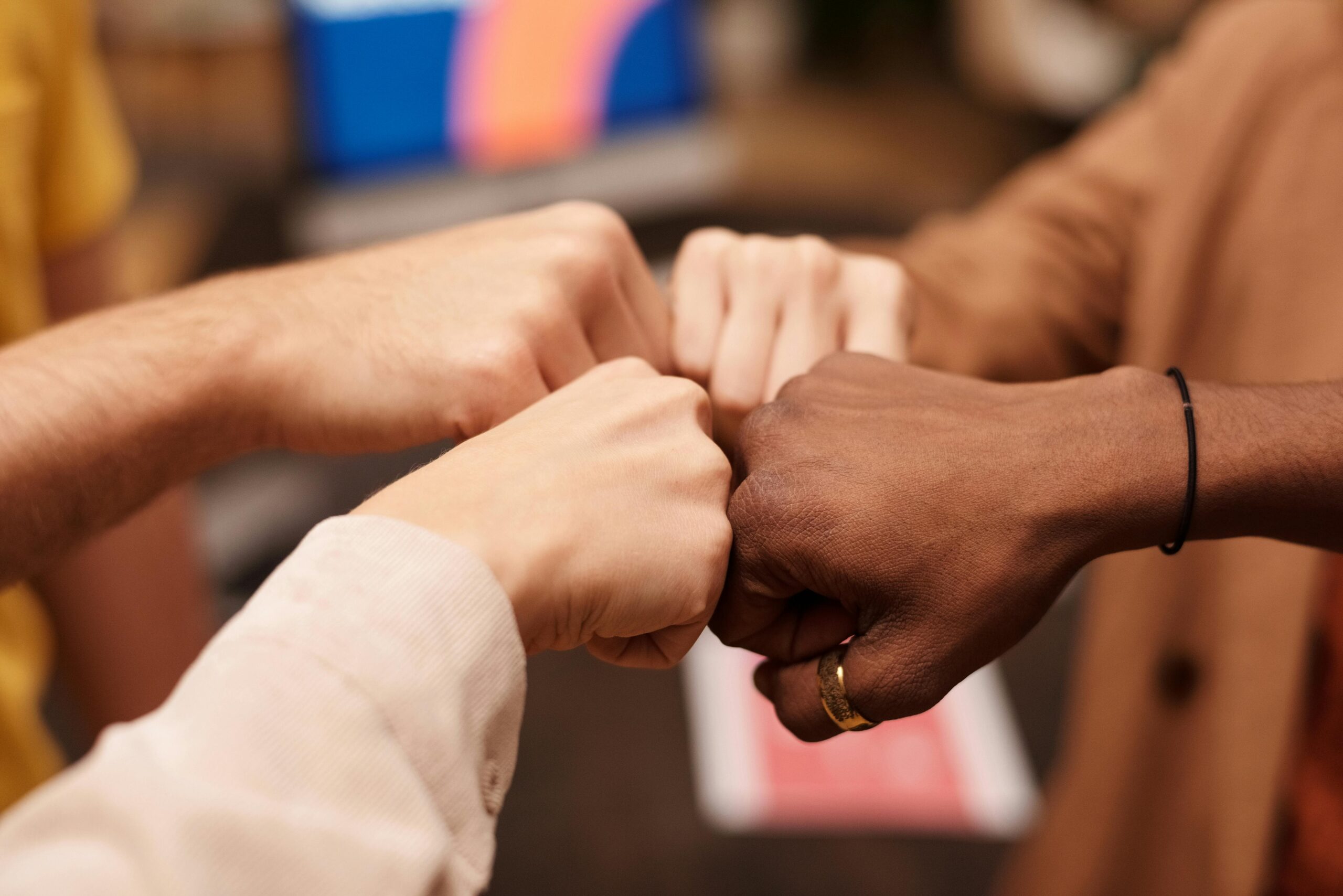
Ultimately, language’s bridge-building power manifests most profoundly in small, everyday moments. A genuine compliment that brightens someone’s day. A carefully worded apology that repairs a relationship. A story shared that helps someone feel less alone. Words of encouragement that give someone courage to pursue their dreams. These ordinary linguistic interactions, multiplied across billions of daily human exchanges, create the foundation of connected, compassionate societies.
When we recognize language as a gift—a tool for building rather than destroying, for connecting rather than dividing, for inspiring rather than discouraging—we unlock its tremendous potential. Every conversation becomes an opportunity to strengthen human bonds. Every word chosen with care contributes to a more understanding world.
The bridges we build with words may be invisible, but their impact is undeniably real. They connect us across oceans and ideologies, generations and geographies, creating networks of understanding that make our shared humanity visible. In an era of polarization and division, cultivating our capacity to connect, inspire, and unite through language represents not merely a skill but a moral imperative—one that holds promise for a more peaceful, empathetic, and interconnected human future.
